
Working from home has shifted from a temporary solution to a long-term reality for millions of people. As home offices become permanent fixtures, the furniture we choose plays a critical role in comfort, productivity, and overall well-being. Among all items, the desk stands out as the foundation of the workspace, influencing posture, focus, organization, and even motivation.
Choosing a home office desk may seem simple at first, but the variety of options available today can quickly make the decision overwhelming. Size, material, shape, storage, ergonomics, and aesthetics all matter, and overlooking any of these factors can lead to discomfort, clutter, or reduced efficiency over time.
This guide was created to help you make a confident, informed decision. By understanding what truly matters when selecting a home office desk, you can create a workspace that supports your routine, adapts to your needs, and feels right for the long term. Let’s explore the details that transform a simple desk into a powerful productivity tool.
Why Your Home Office Desk Matters More Than You Think
A desk is not just a surface to place a laptop. It is the anchor of your entire work environment. The right desk can improve posture, reduce physical strain, and help establish healthy work habits, while the wrong one can cause discomfort, distraction, and long-term health issues.
When your desk fits your space and work style, everything flows more naturally. Your chair aligns better, your screen sits at eye level, and essential tools are within easy reach. This reduces unnecessary movement and mental friction throughout the day.
Beyond ergonomics, a well-chosen desk influences how you feel about your work. A cluttered or cramped desk can increase stress, while a thoughtfully selected one can promote clarity, focus, and a sense of professionalism, even in a home setting.
Understanding Your Work Style and Daily Needs
Before looking at dimensions or materials, it’s essential to understand how you actually work. Different tasks require different desk setups, and choosing without this clarity often leads to compromises later.
If your work is primarily computer-based, you may need a desk that comfortably fits a monitor, keyboard, mouse, and perhaps a laptop stand. Writers or students might prioritize surface space for notebooks and books, while designers and creatives often need wide, open surfaces for drawing tablets or multiple screens.
Consider how many hours you spend at your desk each day, whether you switch between tasks frequently, and if you need space for meetings, paperwork, or creative tools. Your desk should support your routine, not force you to adapt to it.
Choosing the Right Desk Size for Your Space
Desk size is one of the most critical decisions and should always be made with your room layout in mind. A desk that is too large can overwhelm a small room, while one that is too small can feel restrictive and cluttered.
Start by measuring your available space carefully. Consider not only the width and depth of the desk but also the clearance needed for your chair, leg movement, and nearby furniture. Leave enough room to move comfortably without feeling boxed in.
A compact desk works well for minimal setups or small apartments, while larger desks are ideal for multi-monitor setups or shared workspaces. The goal is balance: enough surface area to work efficiently without sacrificing comfort or flow in the room.
Desk Height and Ergonomics Explained
Desk height plays a crucial role in maintaining proper posture. A desk that is too high or too low can lead to shoulder tension, wrist strain, and back pain over time.
Standard desk heights typically range around 29 to 30 inches, which works well for many people. However, individual height, chair adjustment, and work habits can affect what feels comfortable. When seated, your elbows should rest at approximately a 90-degree angle when typing.
If possible, consider adjustable desks, especially if you share your workspace or want flexibility. Ergonomic alignment between desk, chair, and monitor is not a luxury; it’s a necessity for long-term comfort and health.
Fixed Desks vs Adjustable Standing Desks
Standing desks have gained popularity for their flexibility and health benefits. They allow you to alternate between sitting and standing throughout the day, reducing prolonged sedentary behavior.
Fixed desks, on the other hand, are often more affordable, stable, and aesthetically diverse. They work well if you have a solid ergonomic setup and prefer consistency in your posture.
Choosing between the two depends on your routine. If you enjoy movement and variety, an adjustable desk may be worth the investment. If stability and simplicity matter more, a well-designed fixed desk paired with an ergonomic chair can still deliver excellent results.
Materials: What Your Desk Is Made Of Matters
Desk materials affect durability, appearance, maintenance, and even how your workspace feels. Each material comes with advantages and trade-offs.
Solid wood desks offer warmth, durability, and a timeless look, making them ideal for long-term setups. Engineered wood and MDF desks are more affordable and lightweight but may wear faster over time.
Metal desks provide a modern, industrial feel and excellent stability, while glass desks create a sleek aesthetic but may require frequent cleaning and offer less durability. Choosing the right material depends on your budget, style preferences, and how heavily you use your desk.
Desk Shape and Layout Considerations
Desk shape influences how you use your space. Rectangular desks are the most common and versatile, fitting well in most rooms and layouts.
L-shaped desks are ideal for corner spaces or multitasking setups, offering extra surface area without occupying the center of the room. They work especially well for professionals who manage multiple devices or need dedicated zones for different tasks.
Corner desks, curved desks, and minimalist designs can also be effective, depending on your room and workflow. The key is choosing a shape that complements both your space and how you move within it.
Storage: Drawers, Shelves, or Minimalist Design
Storage needs vary greatly depending on your work style. Some people thrive with a clean, minimalist desk, while others rely on drawers and shelves to stay organized.
Built-in drawers are useful for storing documents, office supplies, and personal items. Open shelves provide easy access but may contribute to visual clutter if not managed well.
If you prefer a minimalist approach, consider external storage solutions like filing cabinets or wall shelves. This keeps your desk surface clear while still maintaining organization.
Cable Management and Organization
Modern workspaces rely heavily on technology, and without proper cable management, even the best desk can quickly look messy. Built-in cable holes, trays, or channels can make a significant difference.
A desk that supports cable organization helps maintain a clean aesthetic and reduces distractions. It also makes cleaning easier and prevents cables from becoming tangled or damaged.
If your chosen desk lacks built-in solutions, accessories like cable clips, sleeves, or under-desk trays can help maintain order and improve the overall experience.
Matching the Desk to Your Interior Style
Your home office desk should blend seamlessly with the rest of your space. A cohesive aesthetic can make your workspace more inviting and enjoyable to use.
For modern interiors, sleek lines, neutral colors, and metal accents work well. Traditional spaces often benefit from wood finishes and classic silhouettes, while minimalist environments favor clean designs and simple materials.
Choosing a desk that aligns with your home’s style enhances visual harmony and makes the office feel like an intentional part of your living space rather than an afterthought.
Durability and Long-Term Investment
A desk is not a short-term purchase. Investing in quality can save money and frustration over time. A durable desk withstands daily use, supports equipment weight, and maintains its appearance.
Check construction quality, joint stability, and material thickness. A slightly higher upfront cost often results in better longevity and comfort.
Think of your desk as a long-term partner in your work routine. Reliability and comfort will matter far more over time than trends or temporary aesthetics.
Budgeting Smartly Without Sacrificing Quality
Setting a budget helps narrow your options, but it’s important to balance cost with functionality. Extremely cheap desks may compromise stability, ergonomics, or durability.
Focus on essential features first: size, height, material, and stability. Extras like built-in storage or adjustable mechanisms can be added if they fit your budget.
Smart budgeting means spending where it matters most and avoiding unnecessary features that don’t support your actual work needs.
Assembly, Mobility, and Practical Details
Consider how easy the desk is to assemble and move. Some desks require complex assembly, while others are ready to use out of the box.
If you anticipate rearranging your space or moving homes, lighter desks or modular designs can be more practical. Locking wheels or detachable components can also add flexibility.
Practical details like edge finishing, leg placement, and surface texture may seem minor but significantly affect daily comfort and usability.
Common Mistakes to Avoid When Choosing a Desk
One common mistake is choosing a desk based solely on appearance without considering ergonomics or space constraints. Another is underestimating how much surface area you actually need.
Ignoring cable management, storage needs, or chair compatibility can also lead to frustration later. A desk should work with your entire setup, not in isolation.
Taking time to plan and evaluate your needs helps avoid costly replacements and ensures long-term satisfaction.
How to Test If a Desk Is Right for You
If possible, test the desk before committing. Sit at it, place your arms on the surface, and imagine a full workday. Check stability and comfort.
Online purchases require extra research. Read reviews, check dimensions carefully, and look for real-life photos when available.
Visualizing your daily routine at the desk helps confirm whether it truly fits your needs.
Adapting Your Desk as Your Work Evolves
Your work habits may change over time, and your desk should be able to adapt. Modular designs, adjustable features, or expandable surfaces provide flexibility.
Think about future needs such as additional equipment, hybrid work, or shared use. A versatile desk remains useful even as your routine evolves.
Choosing with adaptability in mind protects your investment and keeps your workspace relevant.
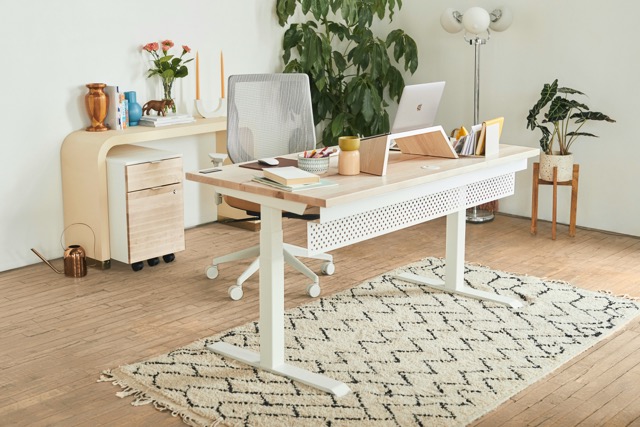
How Desk Choice Impacts Productivity and Focus
The desk you work at subtly shapes how you think, concentrate, and perform throughout the day. A poorly chosen desk can introduce constant micro-distractions, such as lack of space, awkward positioning, or instability. Over time, these small issues add up, reducing deep focus and increasing fatigue.
A desk that matches your workflow encourages better task organization. When tools are placed intuitively and surfaces are not overcrowded, your brain spends less energy managing clutter and more energy on actual work. This cognitive relief improves concentration, especially during long work sessions.
Visual simplicity also plays a role. A desk with clean lines and adequate surface area reduces visual noise, which helps maintain mental clarity. Productivity is not just about working harder; it’s about removing friction, and the right desk quietly does exactly that.
The Psychological Effect of a Well-Designed Workspace
Your home office desk influences more than posture and efficiency; it affects motivation and mood. A workspace that feels intentional signals to your brain that it’s time to focus, even when working from home blurs personal and professional boundaries.
A desk that aligns with your personal style can make work feel more enjoyable and less forced. Whether it’s the warmth of wood, the sleekness of metal, or a minimalist design, visual satisfaction creates a positive emotional response that supports consistency and discipline.
When your desk setup feels complete and thoughtfully chosen, it reinforces a sense of control and professionalism. This psychological stability is especially valuable for remote workers who rely on self-structure rather than external office environments.
Balancing Aesthetics and Functionality
One of the most common dilemmas when choosing a home office desk is deciding between beauty and practicality. A visually stunning desk that lacks space or stability quickly becomes frustrating, while a purely functional desk that feels uninspiring can reduce motivation.
The ideal desk strikes a balance between these two elements. It should support your daily tasks efficiently while also contributing positively to the overall look of your space. This balance is not about luxury, but about harmony between use and appearance.
Functional aesthetics mean thoughtful details: smooth edges, sufficient legroom, a pleasant surface texture, and proportions that feel right in the room. When function and design align, your desk becomes both a tool and a source of inspiration.
How Desk Placement Affects Comfort and Efficiency
Where you place your desk is just as important as which desk you choose. Natural light, wall proximity, and room flow all influence how comfortable and productive your workspace feels.
Placing your desk near a window can improve mood and reduce eye strain, but glare must be managed carefully. Facing a wall may reduce distractions, while positioning the desk toward an open room can create a more spacious feeling, depending on your preference.
Desk placement also affects movement patterns. Easy access to storage, outlets, and frequently used items reduces unnecessary interruptions. A well-placed desk supports a smooth workflow and minimizes physical and mental strain throughout the day.
Noise, Stability, and Surface Quality
Desk stability is often overlooked until it becomes a problem. A desk that wobbles while typing or writing disrupts focus and creates subtle tension in the body. Stability contributes directly to comfort and confidence in your workspace.
Surface quality also matters. A desk surface should feel pleasant to the touch, resist scratches, and allow smooth movement of accessories like mice or notebooks. Rough or reflective surfaces can become irritating over time.
Noise is another factor. Drawers that slam, metal frames that echo movement, or hollow surfaces that amplify sound can all interfere with concentration. A solid, well-built desk supports a quieter, calmer work environment.
Shared Home Offices and Multi-Use Desks
In many homes, office spaces are shared or serve multiple purposes. A desk may need to function as a work station during the day and a study or creative space in the evening.
In these cases, versatility becomes essential. Desks with generous surfaces, neutral designs, and adaptable layouts work best. Storage that can be easily reorganized allows different users to personalize the space temporarily without disrupting others.
Multi-use desks benefit from simplicity. A clean design makes it easier to transition between tasks and users, keeping the workspace flexible without feeling cluttered or chaotic.
Desks for Creative vs Analytical Work
Different types of work place different demands on a desk. Creative tasks often require space for materials, freedom of movement, and visual openness. Analytical or technical work may prioritize organization, screen positioning, and cable management.
Creative professionals benefit from larger, uninterrupted surfaces that allow ideas to spread physically. The desk becomes a canvas, supporting experimentation and exploration without restriction.
Analytical work, on the other hand, thrives on order. Desks with integrated storage, precise layouts, and structured surfaces help maintain clarity and efficiency. Choosing a desk that supports your dominant work style enhances both performance and satisfaction.
The Role of Minimalism in Desk Design
Minimalist desk designs have gained popularity for good reason. Fewer elements reduce distractions and encourage intentional use of space. A minimalist desk invites clarity and simplicity into the workday.
However, minimalism does not mean sacrificing comfort or usability. A well-designed minimalist desk still offers adequate space, proper ergonomics, and durability. The difference lies in eliminating excess rather than essential features.
For many people, a minimalist desk becomes easier to maintain, reducing visual clutter and decision fatigue. This simplicity can have a powerful impact on long-term focus and productivity.
Environmental and Sustainability Considerations
As awareness of environmental impact grows, many people consider sustainability when choosing furniture. Desk materials, manufacturing processes, and durability all influence environmental footprint.
A desk built to last reduces the need for frequent replacements, making durability a form of sustainability. Materials sourced responsibly and finishes with low chemical emissions contribute to a healthier home environment.
Choosing a desk that aligns with sustainable values adds another layer of satisfaction to your workspace. Knowing your desk supports both your work and broader environmental goals can enhance the sense of purpose in your home office.
Future-Proofing Your Home Office Desk
Technology and work habits evolve, and your desk should be able to adapt. A desk that accommodates additional screens, accessories, or new equipment protects your investment over time.
Look for designs that offer flexibility without overcomplication. Modular elements, adjustable components, or expandable surfaces allow your desk to grow with your needs.
Future-proofing is not about predicting every change, but about choosing a desk that won’t limit you as your work evolves. This adaptability ensures your workspace remains functional and relevant.
How a Desk Influences Work-Life Boundaries
Working from home makes it harder to separate professional and personal life. Your desk plays a key role in reinforcing these boundaries.
A dedicated desk in a defined space signals the start and end of the workday. When work tools are confined to a specific surface, it becomes easier to mentally disconnect after hours.
Choosing a desk that feels professional yet comfortable supports healthier routines. It helps transform work into an activity you enter intentionally, rather than something that spills into every corner of your home.
The Importance of Comfort Over Trends
Trendy desk designs may look appealing, but comfort should always take priority. A desk that follows trends but ignores ergonomics or usability can quickly become a source of discomfort.
Comfort includes proper height, adequate legroom, and a surface that supports your daily tasks without strain. These elements matter far more in the long run than color or style alone.
Trends change, but comfort remains essential. A desk chosen for comfort becomes a reliable foundation, regardless of evolving design preferences.
Personalization Without Compromising Function
Personalizing your desk can increase motivation and emotional connection to your workspace. Photos, plants, or small decorative items can make the desk feel more inviting.
The key is moderation. Personal items should enhance, not obstruct, functionality. A desk that allows personalization without clutter supports both emotional well-being and productivity.
Choosing a desk with enough surface area and thoughtful proportions makes personalization easier and more sustainable over time.
Evaluating Desk Value Beyond Price
Price alone does not define value. A desk that costs less upfront but causes discomfort or needs replacement quickly is often more expensive in the long run.
True value lies in how well the desk supports your work, comfort, and longevity. Stability, material quality, and ergonomic compatibility all contribute to overall worth.
Evaluating value holistically leads to better decisions and greater satisfaction with your home office setup.
Conclusion
Choosing the right home office desk is about more than style or price. It’s about understanding how you work, how your space functions, and how comfort and productivity intersect in daily life. A well-chosen desk supports healthy posture, reduces distractions, and creates an environment where work feels more natural and sustainable.
By considering size, ergonomics, materials, storage, and long-term use, you can avoid common pitfalls and make a choice that truly fits your needs. The right desk doesn’t just hold your work; it supports your focus, energy, and growth over time.
Frequently Asked Questions
What is the ideal desk size for a home office?
The ideal size depends on your space and work setup. Measure your room carefully and choose a desk that allows comfortable movement while fitting all essential equipment.
Are standing desks better than traditional desks?
Standing desks offer flexibility and can reduce prolonged sitting, but traditional desks can be equally effective when paired with proper ergonomics.
What desk material lasts the longest?
Solid wood and metal desks tend to offer the best durability, while engineered wood provides a more budget-friendly option with moderate longevity.
How important is desk height for comfort?
Desk height is crucial. Proper alignment between desk, chair, and monitor helps prevent strain and supports healthy posture during long work hours.
Should a home office desk include storage?
It depends on your work style. Built-in storage is helpful for organization, but external storage can also keep the desk surface clean and flexible.