
Choosing the right flooring for your kitchen is one of the most important decisions in any home design or renovation project. The kitchen is a high-traffic area exposed to moisture, spills, temperature changes, and constant movement, which means the floor must be both practical and visually appealing. A poor choice can lead to discomfort, frequent maintenance, or even costly replacements down the line.
Beyond durability, kitchen flooring plays a key role in defining the overall style of the space. Whether your kitchen is modern, rustic, minimalist, or traditional, the floor helps set the tone and connects all design elements. From color and texture to material and finish, every detail matters more than many homeowners initially expect.
If you want a kitchen floor that balances beauty, comfort, and long-term performance, understanding your options is essential. This guide walks you through everything you need to know, helping you make confident decisions that fit your lifestyle, budget, and design goals—so you can move forward with clarity and inspiration.
Why Kitchen Flooring Requires Special Attention
The kitchen is unlike any other room in the house. It experiences constant foot traffic, frequent spills, heat exposure, and the movement of heavy appliances. These conditions demand a flooring material that can withstand daily wear without losing its appearance or functionality.
Unlike living rooms or bedrooms, kitchens require floors that are moisture-resistant and easy to clean. Water splashes from the sink, oil stains near the stove, and dropped food are part of everyday life. Choosing a surface that absorbs moisture or stains easily can quickly become a maintenance nightmare.
Another key factor is safety. Slippery surfaces can increase the risk of falls, especially in busy households. That’s why texture, finish, and grip should be part of the decision-making process, not just aesthetics.
Key Factors to Consider Before Choosing Kitchen Flooring
Before comparing materials, it’s essential to understand the main criteria that define a good kitchen floor. These factors will guide your decision and help you narrow down the best options for your needs.
Durability and Resistance
Kitchen floors must handle constant use. Resistance to scratches, dents, stains, and moisture is non-negotiable. Materials like porcelain tile, vinyl, and stone tend to perform better in high-demand environments.
If your household includes children or pets, durability becomes even more important. Softer materials may look appealing but can show wear quickly under heavy use.
Ease of Cleaning and Maintenance
A kitchen floor should simplify your routine, not complicate it. Smooth, sealed surfaces are easier to clean and less likely to trap dirt or bacteria. Floors that require special products or frequent sealing may increase long-term costs and effort.
Think realistically about how much time you’re willing to dedicate to cleaning and maintenance when making your choice.
Comfort Underfoot
Since kitchens are spaces where people often stand for long periods, comfort matters more than many realize. Hard surfaces can cause fatigue, especially during extended cooking sessions.
Some materials offer slight cushioning or work well with rugs and mats, making daily tasks more comfortable without sacrificing durability.
Style and Visual Impact
Flooring is a major visual element. It can make a small kitchen feel larger, a dark kitchen feel brighter, or a modern kitchen feel warmer. Color, pattern, and texture all influence how the space is perceived.
Your floor should complement cabinets, countertops, and walls while also reflecting your personal style.
Budget and Long-Term Value
Initial cost is important, but so is long-term value. Some materials may be affordable upfront but expensive to maintain or replace. Others may cost more initially but last for decades with minimal upkeep.
Balancing budget with durability and lifespan leads to smarter investments.
Popular Kitchen Flooring Materials Explained
Understanding the strengths and weaknesses of each flooring material helps you make an informed decision. Below are the most common kitchen flooring options and what makes them suitable—or not—for this space.
Ceramic and Porcelain Tile
Ceramic and porcelain tiles are among the most popular choices for kitchen flooring. They are highly durable, water-resistant, and easy to clean, making them ideal for busy kitchens.
Porcelain tile, in particular, is denser and less porous than ceramic, offering superior resistance to moisture and stains. It can also mimic natural materials like wood or stone, providing versatility in design.
On the downside, tile floors can feel cold and hard underfoot. They may require area rugs or underfloor heating to improve comfort.
Vinyl Flooring
Modern vinyl flooring has evolved significantly and is now one of the most practical kitchen options available. It is water-resistant, affordable, and available in a wide range of styles that replicate wood, stone, and tile.
Luxury vinyl planks and tiles offer enhanced durability and a more realistic appearance. Vinyl is also softer underfoot than tile, making it more comfortable for long periods of standing.
While vinyl is resilient, it may not add as much resale value as natural materials and can be susceptible to damage from sharp objects.
Natural Stone Flooring
Stone flooring, such as granite, slate, or marble, offers unmatched natural beauty and durability. Each piece is unique, creating a sophisticated and timeless look.
Stone performs well in kitchens when properly sealed, resisting heat and wear. However, it requires regular maintenance and can be more expensive than other options.
Some stones can be slippery when wet and may feel cold, making texture and finish important considerations.
Wood and Engineered Wood
Wood flooring brings warmth and character to a kitchen, creating a cozy and inviting atmosphere. Engineered wood is often preferred over solid hardwood because it handles moisture better.
While beautiful, wood requires careful maintenance and is more vulnerable to water damage than other materials. Spills must be cleaned quickly to prevent warping or staining.
Wood works best in kitchens where spills are minimal and homeowners are committed to proper care.
Laminate Flooring
Laminate flooring offers a budget-friendly way to achieve the look of wood or stone. It is easy to install and maintain, making it appealing for quick renovations.
However, traditional laminate is not fully water-resistant, which can be a concern in kitchens. Newer water-resistant versions perform better but still require caution around standing water.
Laminate can be a good option for low-traffic kitchens or rental properties.
Matching Kitchen Flooring with Your Lifestyle
Your daily habits should influence your flooring choice just as much as design preferences. A household that cooks frequently will have different needs than one where the kitchen is mostly decorative.
If you enjoy cooking elaborate meals, prioritize materials that are easy to clean and resistant to stains. For households with kids or pets, scratch resistance and safety become more important.
Consider how often you entertain, how much traffic the kitchen sees, and whether comfort or aesthetics take priority in your daily routine.
Choosing the Right Color and Pattern
Color and pattern can dramatically change the look and feel of your kitchen. Light-colored floors make small spaces feel larger and brighter, while darker tones add depth and sophistication.
Patterns can hide dirt and wear more effectively than solid colors. Wood-look planks, stone textures, and subtle patterns are practical choices that age well over time.
Always test samples in your kitchen lighting to see how colors behave throughout the day.
Texture, Finish, and Slip Resistance
A glossy finish may look elegant but can become slippery when wet. Matte or textured finishes provide better grip and are often safer for kitchens.
Slip resistance is especially important in households with children, elderly residents, or pets. Many manufacturers provide slip ratings that can guide your decision.
Balancing safety with style ensures your kitchen floor is both beautiful and functional.
Sustainability and Eco-Friendly Options
Sustainability is becoming an important factor in home design. Many flooring materials now offer eco-friendly alternatives, such as recycled vinyl, sustainably sourced wood, or low-emission tiles.
Choosing environmentally responsible materials can reduce your home’s environmental impact while maintaining quality and performance.
If sustainability matters to you, look for certifications and transparent manufacturing practices.
Installation Considerations
Professional installation can significantly impact the performance and lifespan of your kitchen floor. Uneven subfloors, improper sealing, or incorrect spacing can lead to future problems.
Some materials are more DIY-friendly, while others require specialized tools and expertise. Factoring installation costs into your budget helps avoid surprises.
A well-installed floor not only looks better but lasts longer.
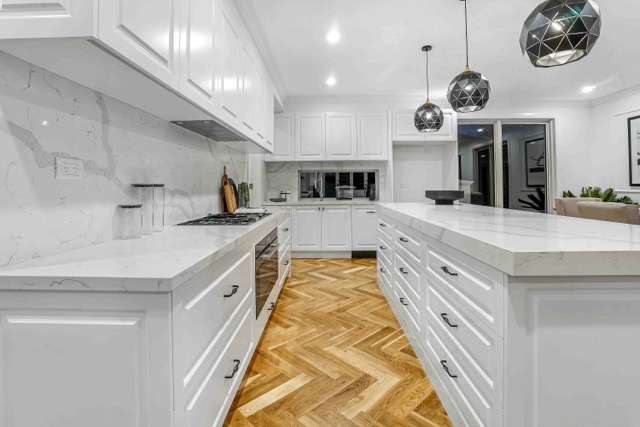
How Kitchen Flooring Impacts Daily Functionality
Kitchen flooring directly influences how the space functions on a daily basis. Beyond aesthetics, the material you choose affects cleaning habits, movement flow, noise levels, and even how comfortable the kitchen feels during extended use.
Hard, echo-prone floors can amplify sound, making the kitchen noisier—especially in open-plan homes. Softer or layered materials help absorb noise, creating a calmer environment. This detail becomes especially relevant in households where the kitchen doubles as a social or work area.
Temperature regulation is another often-overlooked factor. Certain flooring materials retain cold, which may be uncomfortable in colder climates or during winter months. Others adapt better to ambient temperature, contributing subtly to overall comfort.
Open-Concept Kitchens and Flooring Continuity
In modern homes, kitchens are increasingly integrated with living and dining areas. In these layouts, flooring choice plays a crucial role in visual flow and spatial harmony.
Using the same flooring throughout creates continuity and makes the space feel larger and more cohesive. However, this requires selecting a material that performs well in kitchen conditions without compromising adjacent areas.
If different flooring materials are used, transitions should feel intentional rather than abrupt. Consistent tones, complementary textures, or subtle separators help define spaces without disrupting visual balance.
Kitchen Flooring and Resale Value
Flooring has a direct impact on perceived home value. Buyers often associate certain materials with durability, quality, and long-term reliability.
Porcelain tile, natural stone, and high-quality engineered wood tend to appeal to a broader range of buyers. These materials signal longevity and low maintenance, which are strong selling points.
While trendy options can make a kitchen stand out, overly specific styles may limit appeal. Neutral, timeless flooring choices often provide better resale potential while still allowing personal expression through décor.
Understanding Thickness and Subfloor Compatibility
Flooring thickness affects installation complexity, door clearance, and transitions to other rooms. Thicker materials may require adjustments to cabinetry, appliances, or baseboards.
Subfloor condition also plays a critical role. Some materials require perfectly level surfaces, while others can tolerate minor imperfections. Ignoring subfloor requirements can lead to cracking, lifting, or uneven wear over time.
Evaluating both thickness and subfloor compatibility ensures your chosen flooring performs as intended and avoids unnecessary future repairs.
Kitchen Flooring for Busy Households
In households with constant activity, flooring must prioritize resilience and ease of care. High-traffic kitchens benefit from materials that resist scratches, stains, and moisture without showing wear quickly.
Patterns, textures, and mixed tones help disguise daily dirt and minor damage. Floors that look pristine only when perfectly clean can become stressful to maintain in active homes.
Durability should never feel like a compromise on style. Many modern materials successfully combine practicality with refined design.
Slip Resistance and Household Safety
Safety is a critical but often underestimated aspect of kitchen flooring. Wet surfaces, spills, and dropped food increase the risk of slips.
Slip-resistant finishes and textured surfaces provide better traction without sacrificing aesthetics. This is especially important in homes with children, elderly residents, or pets.
Choosing a floor that balances grip with ease of cleaning contributes to a safer, more comfortable kitchen environment.
How Lighting Interacts with Kitchen Flooring
Lighting dramatically changes how flooring appears. Natural light enhances texture and color variation, while artificial lighting can either highlight or flatten details.
Glossy floors reflect light, brightening darker kitchens but potentially showing more smudges and scratches. Matte finishes create a softer, more forgiving look that hides imperfections.
Testing flooring samples under different lighting conditions helps avoid surprises and ensures the final result matches expectations.
The Role of Grout and Joints in Kitchen Floors
For tile flooring, grout selection matters just as much as tile choice. Grout color, width, and finish influence both appearance and maintenance.
Darker grout hides stains better, while lighter grout creates a cleaner, more seamless look but requires more upkeep. Epoxy grout offers superior stain resistance and durability, making it a smart option for kitchens.
Joint spacing also affects the floor’s visual rhythm and performance. Proper spacing accommodates expansion and prevents cracking.
Underfloor Heating and Flooring Compatibility
Underfloor heating is becoming increasingly popular in kitchens. Not all flooring materials are compatible, so this should be considered early in the planning process.
Tile and stone conduct heat efficiently, making them ideal for radiant heating systems. Vinyl and engineered wood may also work when approved by manufacturers.
Proper installation ensures even heat distribution and prevents damage, enhancing comfort without compromising flooring integrity.
Kitchen Flooring and Environmental Impact
Sustainability-conscious homeowners often evaluate flooring materials based on environmental impact. Factors such as resource sourcing, manufacturing processes, and recyclability influence eco-friendliness.
Recycled-content vinyl, responsibly sourced wood, and long-lasting materials that reduce replacement frequency all contribute to a more sustainable choice.
Durability itself is an environmental advantage. A floor that lasts decades reduces waste and resource consumption over time.
Balancing Trends with Timeless Design
Flooring trends evolve, but kitchens benefit from choices that age gracefully. Bold patterns and high-contrast designs may feel exciting initially but risk feeling dated quickly.
Neutral palettes, natural textures, and classic layouts provide flexibility as styles change. Accessories, paint, and lighting can refresh the space without replacing the floor.
Timeless flooring choices support long-term satisfaction and adaptability.
Budget Planning Beyond Material Cost
The true cost of kitchen flooring extends beyond material price. Installation, preparation, maintenance, and potential repairs should all be factored into your budget.
Cheaper materials may require more frequent replacement or specialized maintenance. Higher-quality options often reduce long-term expenses despite higher upfront costs.
Viewing flooring as a long-term investment leads to more balanced decisions and fewer regrets.
Customizing Kitchen Flooring for Your Needs
Every kitchen is unique. Customizing flooring choices based on layout, usage patterns, and personal preferences creates a more functional space.
Mixing materials strategically—such as durable tile in work zones and warmer finishes in dining areas—can enhance both practicality and comfort.
Thoughtful customization ensures the floor supports how you actually live, not just how the kitchen looks in photos.
Long-Term Maintenance Strategies
Understanding how to care for your chosen flooring extends its lifespan. Simple habits like using protective pads under furniture, cleaning spills promptly, and using appropriate cleaning products make a noticeable difference.
Preventive care reduces wear and preserves appearance, allowing the floor to age gracefully rather than deteriorate prematurely.
A well-maintained kitchen floor enhances both daily enjoyment and long-term value.
Final Considerations for a Confident Decision
Choosing kitchen flooring is a decision that blends logic, lifestyle awareness, and personal taste. The best choice aligns durability, comfort, safety, and aesthetics without forcing trade-offs that compromise daily use.
By evaluating how you use your kitchen and understanding material behavior over time, you create a space that works seamlessly with your routine.
A well-chosen floor becomes the foundation of a kitchen that feels balanced, welcoming, and resilient—supporting the space for years to come.
Common Mistakes to Avoid When Choosing Kitchen Flooring
One common mistake is prioritizing appearance over functionality. A floor that looks stunning but fails under daily use will quickly become frustrating.
Another error is ignoring maintenance requirements. Choosing a material that doesn’t match your willingness to maintain it can lead to disappointment.
Finally, failing to consider long-term value may result in frequent replacements, increasing overall costs.
Final Thoughts on Choosing Kitchen Flooring
Choosing the right kitchen flooring is a balance between practicality, comfort, style, and budget. By understanding your lifestyle and evaluating materials carefully, you can select a floor that enhances your kitchen both visually and functionally.
A thoughtful decision leads to a space that is easier to maintain, safer to use, and more enjoyable for years to come. With the right information, your kitchen floor becomes an asset rather than a compromise.
Frequently Asked Questions
1. What is the most durable flooring for kitchens?
Porcelain tile and luxury vinyl are among the most durable options, offering excellent resistance to moisture, stains, and daily wear.
2. Is wood flooring a bad choice for kitchens?
Not necessarily. Engineered wood performs better than solid wood, but it requires careful maintenance and quick spill cleanup.
3. What kitchen flooring is easiest to clean?
Vinyl and porcelain tile are among the easiest to clean, requiring minimal maintenance and simple cleaning routines.
4. How do I choose a kitchen floor for a small space?
Light colors, large tiles, or continuous plank designs help create the illusion of a larger kitchen.
5. Should kitchen flooring match the rest of the house?
It doesn’t need to match exactly, but it should complement adjacent spaces for a cohesive overall look.