
Choosing the ideal smartphone has become more complex than ever. With dozens of brands, constant releases, and an overwhelming list of technical specifications, it’s easy to feel unsure about which device truly fits your needs. What used to be a simple decision based on price or brand loyalty now requires a more thoughtful evaluation of how a phone will fit into your daily life.
A smartphone today is much more than a communication tool. It’s a camera, a work assistant, a navigation system, an entertainment center, and, for many people, a digital extension of their personal and professional identity. Because of this, selecting the right device means balancing performance, usability, durability, and value in a way that aligns with your habits and priorities.
If you want to make a confident choice without getting lost in technical jargon or marketing hype, understanding what really matters is essential. This guide will walk you through every key factor step by step, helping you clarify your needs, compare options intelligently, and feel comfortable with your final decision by the time you reach the end.
Understand Your Real Needs Before Anything Else
Before looking at specifications, prices, or brands, the most important step is understanding how you actually use a smartphone. Many people overpay for features they rarely use or underestimate functions that would make a real difference in their daily routine.
Ask yourself how your phone fits into your life. Do you mainly use it for messaging, social media, and browsing? Do you rely on it for work tasks like emails, document editing, or video calls? Are photos and videos a priority? Or is gaming and performance what matters most?
Your usage profile will immediately narrow your options. A casual user does not need the same hardware as a content creator or a mobile gamer. Being honest about your habits prevents frustration later and helps you invest in features that truly add value.
Set a Realistic Budget Range
Budget plays a major role in choosing a smartphone, but it should be approached strategically rather than emotionally. Instead of aiming for the cheapest or the most expensive option, define a comfortable price range and focus on the best value within it.
Mid-range smartphones today often offer excellent performance, high-quality cameras, and solid build quality. Flagship models may provide cutting-edge features, but the price difference is not always justified for every user. On the other hand, ultra-budget devices can be tempting but may lead to compromises in performance, longevity, and user experience.
Think about how long you plan to keep the phone. Spending a little more upfront can sometimes mean fewer replacements and better performance over time, which can be more economical in the long run.
Choose the Right Operating System for You
One of the most fundamental decisions is selecting the operating system. This choice affects usability, app availability, customization options, and how well the phone integrates with other devices you own.
Some users value simplicity and consistency, while others prefer flexibility and customization. Consider how comfortable you are with adjusting settings, managing files, and personalizing your device. Also think about compatibility with your laptop, tablet, smartwatch, or other digital tools you already use.
Switching operating systems can be an adjustment, so choosing one that aligns with your preferences and ecosystem can greatly enhance your experience.
Performance: Processor and RAM Matter More Than You Think
Performance determines how smoothly your phone handles everyday tasks and how well it will age over time. Two main components influence this: the processor and the amount of RAM.
A powerful processor ensures faster app launches, smoother multitasking, and better handling of demanding applications. RAM affects how many apps can stay open without slowing the device down. For basic use, moderate specifications are sufficient, but for heavy multitasking, gaming, or professional use, higher performance is essential.
It’s also important to consider optimization. A well-optimized phone with slightly lower specifications can outperform a poorly optimized device with higher numbers on paper.
Storage Capacity: Think Long Term
Storage is often underestimated during purchase and regretted later. Photos, videos, apps, system updates, and cached data add up quickly.
If you take a lot of photos or videos, download music, or install many apps, larger internal storage is crucial. Some devices offer expandable storage, while others rely solely on internal memory. Cloud storage can help, but it should not be your only solution.
Choosing more storage than you think you need is usually a smart move, especially if you plan to keep the phone for several years.
Display Quality and Size: Comfort Is Key
The display is the part of the smartphone you interact with the most, so its quality has a significant impact on daily comfort. Screen size, resolution, brightness, and panel type all influence the experience.
Larger screens are great for media consumption, reading, and productivity, but they may be harder to use with one hand. Smaller screens are more portable but can feel restrictive for certain tasks. High-resolution displays offer sharper images, while better panel technology improves color accuracy and contrast.
Consider where and how you use your phone. Outdoor visibility, eye comfort during long sessions, and responsiveness all matter more than impressive numbers on a spec sheet.
Camera Quality: More Than Just Megapixels
Camera performance is one of the most marketed features, yet also one of the most misunderstood. Megapixels alone do not define photo quality. Sensor size, image processing, stabilization, and software optimization play equally important roles.
Think about what you photograph most. People, landscapes, low-light scenes, videos, or social media content all benefit from different camera strengths. Some phones excel in photography but fall short in video, while others offer balanced performance.
If the camera is a priority, look for consistency rather than extreme specifications. A reliable camera that performs well in various conditions is more valuable than one that shines only in perfect lighting.
Battery Life and Charging Speed
Battery life directly affects how reliable your smartphone feels throughout the day. Capacity, efficiency, and software optimization all influence how long a phone lasts on a single charge.
If you are frequently on the move, a phone with strong battery performance can significantly reduce stress. Fast charging is another factor that adds convenience, allowing quick top-ups when time is limited.
Wireless charging and battery health management features can also enhance long-term usability, especially if you plan to keep the device for several years.
Build Quality and Design
A smartphone is something you hold and carry every day, so build quality and design matter more than aesthetics alone. Materials, weight, ergonomics, and durability all affect comfort and confidence.
Some users prefer lightweight devices, while others appreciate a more solid feel. Water and dust resistance can be important depending on your environment and lifestyle. The placement of buttons, fingerprint sensors, and camera modules also influences usability.
Design should support function, not compromise it.
Software Updates and Long-Term Support
A phone’s value is not limited to its hardware. Software updates improve security, add features, and extend the lifespan of the device. Some manufacturers offer longer and more consistent update policies than others.
Choosing a phone with reliable long-term support can protect your investment and ensure a smoother experience over time. Security updates are particularly important, as smartphones store sensitive personal and financial information.
Connectivity and Extra Features
Modern smartphones come with a variety of additional features that may or may not matter to you. Connectivity options like 5G, Wi-Fi standards, and Bluetooth versions can affect speed and compatibility.
Other features such as stereo speakers, biometric security options, dual SIM support, and accessibility tools can significantly improve usability depending on your needs.
Rather than chasing every feature, focus on those that genuinely enhance your daily experience.
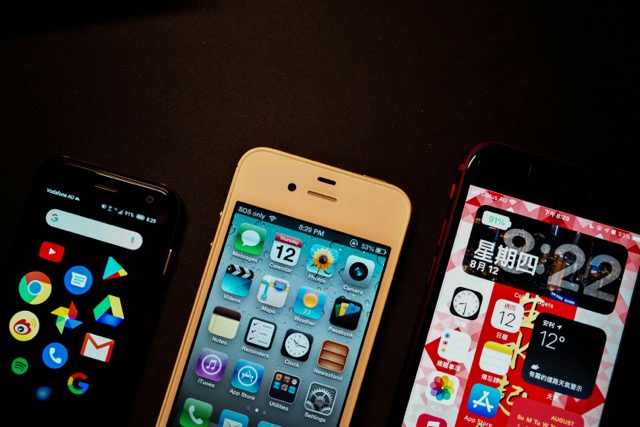
How Smartphone Longevity Impacts Your Choice
When choosing a smartphone, many people focus on features they will use immediately but overlook how the device will perform over time. Longevity is one of the most underrated factors, yet it has a direct impact on satisfaction and overall value.
A phone that performs well today but struggles after a year can quickly become frustrating. Slower app launches, battery degradation, and limited storage space tend to appear gradually. Devices built with longevity in mind often include better processors, consistent software updates, and more durable materials.
Thinking long term changes how you evaluate price. A slightly higher upfront cost may result in fewer replacements, better performance retention, and a more stable user experience. Longevity is not about keeping the same phone forever, but about ensuring it remains reliable for as long as you expect to use it.
The Role of Software Experience in Daily Satisfaction
Hardware specifications often get the spotlight, but software experience is what you interact with every single day. The way menus are organized, notifications are handled, and apps behave can significantly influence how comfortable a phone feels.
A clean and intuitive interface reduces friction. Smooth animations, logical settings, and minimal unnecessary features help users focus on tasks instead of troubleshooting. On the other hand, cluttered interfaces filled with redundant apps or intrusive notifications can make even powerful phones feel unpleasant.
Software consistency also matters. Phones that maintain a stable experience across updates tend to feel more reliable. If the interface changes too often or introduces bugs, it can disrupt established habits. A well-designed software environment should evolve without forcing users to relearn basic interactions.
Why Ergonomics Are More Important Than You Expect
Ergonomics often get overshadowed by screen size and design aesthetics, yet they play a crucial role in daily comfort. How a phone fits in your hand, where buttons are placed, and how easily you can reach key areas of the screen all matter.
A phone that feels uncomfortable after prolonged use can lead to hand fatigue, accidental touches, or even avoidance. Weight distribution, edge curvature, and grip texture contribute to how natural the device feels.
It’s also worth considering one-handed usability. Many modern phones are large, but thoughtful software shortcuts and gesture controls can improve accessibility. Comfort is subjective, but ignoring ergonomics is one of the most common regrets after purchase.
Understanding Refresh Rates and Real-World Benefits
High refresh rate displays are frequently marketed as essential features, but their real-world value depends on usage. A higher refresh rate makes scrolling smoother, animations more fluid, and interactions feel more responsive.
For users who spend a lot of time browsing, reading, or gaming, this smoothness can significantly enhance the experience. However, higher refresh rates can also consume more battery power if not well optimized.
Some phones dynamically adjust refresh rates based on activity, balancing smoothness and efficiency. Understanding how this feature works helps you decide whether it truly benefits your routine or simply adds another number to the spec sheet.
Security and Privacy: Choosing a Phone You Can Trust
Smartphones store sensitive information such as personal messages, photos, banking apps, and authentication data. Security and privacy should be considered essential features, not optional extras.
Biometric options like fingerprint scanners and facial recognition add convenience, but they must also be reliable and secure. Beyond hardware, software security updates play a major role in protecting against vulnerabilities.
Privacy controls, permission management, and transparency about data usage can vary widely between devices. A phone that gives you clear control over what apps can access builds trust and peace of mind, especially as smartphones become more integrated into daily life.
How Connectivity Affects Performance Beyond Speed
Connectivity is often associated with internet speed, but its impact goes beyond fast downloads. Stable connections influence video calls, cloud synchronization, navigation accuracy, and smart device integration.
Modern phones support multiple connectivity standards, and compatibility with future technologies can extend a device’s usefulness. However, not every user needs the latest standard immediately.
What matters most is reliability. Consistent signal strength, seamless switching between networks, and efficient power usage during connectivity tasks contribute to a smoother experience. A phone that stays connected when you need it most is far more valuable than one that only shines in ideal conditions.
Balancing Innovation and Practicality
New smartphone features are released constantly, but not all innovations are practical for everyday use. Some features look impressive in presentations but offer little long-term value.
When evaluating innovation, ask whether it solves a real problem or simply adds complexity. Practical features integrate naturally into daily routines without requiring constant attention or adjustments.
Choosing a phone with thoughtful innovation rather than experimental features often leads to higher satisfaction. Technology should support your lifestyle, not demand that you adapt to it.
Environmental Impact and Conscious Choices
Sustainability is becoming an important consideration in technology choices. Smartphones contribute to electronic waste, and their production has environmental consequences.
Some manufacturers focus on durable designs, longer software support, and repairability, which can reduce environmental impact. Using a phone for longer and choosing models designed with sustainability in mind are small but meaningful steps.
Even accessories and packaging can reflect a brand’s approach to environmental responsibility. While sustainability may not be the primary factor for everyone, it is increasingly relevant for conscious consumers.
When Brand Reputation Matters—and When It Doesn’t
Brand reputation can influence perception, but it should not replace objective evaluation. Well-known brands often offer consistent quality and support, but lesser-known brands can deliver excellent value.
Rather than focusing solely on logos, examine reliability, customer support, update policies, and real-world performance. A strong reputation is helpful, but it should confirm your choice, not define it.
Being open to different brands expands your options and increases the chances of finding a phone that truly matches your needs.
Adapting Your Choice to Life Changes
Your smartphone needs today may not be the same in a year or two. Career changes, new hobbies, or lifestyle shifts can alter how you use your device.
Choosing a flexible phone with balanced features can help accommodate these changes. Adequate storage, solid performance, and reliable battery life provide adaptability without locking you into a narrow usage profile.
Thinking ahead does not mean overbuying; it means choosing a device that can grow with you rather than limit you.
Compare Options Carefully Before Deciding
Once you have narrowed down your priorities, compare a few models that fit your criteria. Look beyond brand reputation and focus on how each option aligns with your needs.
Reading user reviews and expert opinions can provide insights into real-world performance, durability, and potential issues. Pay attention to common complaints rather than isolated problems.
Taking time to compare prevents impulse decisions and increases satisfaction with your final choice.
Avoid Common Smartphone Buying Mistakes
Many people make similar mistakes when choosing a smartphone. Buying based solely on brand, choosing the cheapest option without considering longevity, or overpaying for features they will never use are common pitfalls.
Another frequent error is ignoring ergonomics and daily comfort. A phone that looks impressive but feels awkward in your hand can quickly become frustrating.
Awareness of these mistakes helps you make a more rational and satisfying decision.
How to Know When You’ve Chosen the Right Phone
The right smartphone is the one that fits seamlessly into your life. It should feel intuitive, reliable, and supportive of your routines rather than demanding constant adjustments.
If your phone allows you to focus on what you want to do instead of how to do it, you’ve made a good choice. Confidence in your decision comes from clarity, not from chasing trends.
Conclusion
Choosing the ideal smartphone is not about finding the most powerful or most expensive device. It’s about understanding your habits, setting clear priorities, and aligning features with real-life needs. When you approach the decision thoughtfully, the result is a device that feels natural, efficient, and worth the investment. A well-chosen smartphone enhances your daily life quietly and consistently, proving its value over time rather than through flashy specifications.
Frequently Asked Questions
1. How often should I replace my smartphone?
Most smartphones can last three to five years with proper care, especially if they receive regular software updates and have adequate performance for your needs.
2. Is a flagship phone always better than a mid-range one?
Not necessarily. Mid-range phones often offer excellent value and can meet the needs of most users without the premium price of flagship models.
3. How much storage is enough for most users?
For average use, 128 GB is usually sufficient. Heavy users who record a lot of videos or install many apps may benefit from 256 GB or more.
4. Does a bigger battery always mean longer battery life?
Battery capacity matters, but efficiency and software optimization play a major role. A well-optimized phone can outperform one with a larger battery.
5. Should I prioritize camera quality over performance?
It depends on your usage. If photography is a key part of your routine, camera quality should be a priority. Otherwise, balanced performance may offer more overall value.