
Choosing a dining table goes far beyond aesthetics. It is a decision that directly impacts comfort, circulation, functionality, and even how people interact in your home. A well-chosen dining table becomes the heart of shared meals, conversations, celebrations, and everyday routines. Because of that, this choice deserves time, attention, and a deep understanding of what truly matters.
Many people focus only on style or price and end up with a table that feels too large, too small, uncomfortable, or visually disconnected from the rest of the space. Others underestimate how materials, shapes, and proportions influence long-term satisfaction. This guide exists to prevent those mistakes and help you make a confident, informed decision.
In the following sections, you will find a complete breakdown of everything you need to consider before choosing a dining table. From measurements and layouts to materials, shapes, seating capacity, and lifestyle factors, this guide was designed to help you visualize the right choice for your space and your daily life.
Understanding the Role of the Dining Table in Your Home
The dining table is not just another piece of furniture. It defines how the dining area functions and feels. In many homes, especially those with open layouts, the dining table connects the kitchen, living room, and social areas into a single visual and functional flow.
Beyond meals, dining tables are often used for work, studying, crafting, board games, and gatherings with friends. This multifunctional role means the table must balance durability, comfort, and visual harmony. A poor choice can disrupt circulation, limit seating, or create a sense of imbalance in the room.
Understanding how your household actually uses the dining area is the first step toward making a decision that will remain satisfying for years, not just weeks after purchase.
Measuring Your Space Correctly Before Choosing a Table
One of the most common mistakes when choosing a dining table is relying on guesswork instead of precise measurements. Even a beautiful table can become a problem if it overwhelms the room or restricts movement.
Start by measuring the full length and width of your dining area. Then, subtract circulation space. Ideally, there should be at least 36 inches (about 90 cm) of clearance between the table edge and walls or furniture. If the area is a high-traffic zone, increasing that clearance to 42 inches improves comfort significantly.
It is also important to consider door openings, nearby furniture, and walkways. A table that technically fits might still feel cramped if chairs block access or collide with other elements when pulled out.
Choosing the Right Table Shape for Your Space
Table shape plays a major role in both visual balance and usability. Each shape serves a different purpose and works better in specific layouts.
Rectangular tables are the most common choice. They work exceptionally well in long or open spaces and can accommodate more people. This shape is ideal for families or frequent hosts.
Round tables create a more intimate atmosphere and promote conversation, as everyone faces each other naturally. They work best in smaller or square rooms and help soften sharp architectural lines.
Square tables are less common but work beautifully in compact spaces or for small households. They offer symmetry and visual balance but are less flexible for larger gatherings.
Oval tables combine the advantages of rectangular and round tables. They provide generous seating while maintaining smoother lines and better circulation in tighter spaces.
Determining the Ideal Seating Capacity
Choosing a table that matches your real seating needs is essential. Many people buy tables that are too large for everyday use or too small for occasional gatherings.
As a general rule, each person needs about 24 inches (60 cm) of table width to sit comfortably. This ensures enough elbow room without crowding. Depth also matters. A minimum of 36 inches allows for place settings and shared dishes.
If you host frequently, consider extendable tables. Extension leaves provide flexibility without sacrificing daily comfort. This solution allows the table to adapt to both routine meals and special occasions.
Understanding Table Height and Chair Compatibility
Standard dining table height ranges from 28 to 30 inches. This height works with most dining chairs, which typically have seat heights between 17 and 19 inches.
Before purchasing a table, confirm that it pairs well with your chairs or plan to buy both together. A mismatch can lead to uncomfortable seating and awkward posture.
Also consider table apron clearance. The space between the underside of the table and the floor must allow enough legroom. Thick aprons or pedestal bases can limit comfort if not designed properly.
Choosing the Best Material for Durability and Style
Material choice affects not only appearance but also maintenance and longevity. Each material has strengths and limitations that should align with your lifestyle.
Solid wood tables offer warmth, durability, and timeless appeal. They age beautifully but may require regular care and are sensitive to humidity changes.
Glass tables create a sense of openness and reflect light, making spaces feel larger. However, they require frequent cleaning and may not suit households with children.
Stone and marble tables bring sophistication and visual impact. They are heavy, durable, and heat-resistant but can be porous and require sealing.
Metal and mixed-material tables offer a modern, industrial look and are often easier to maintain. They work well in contemporary spaces but can feel cold if not balanced with softer elements.
Matching the Table Style to Your Interior Design
A dining table should complement the overall style of your home rather than compete with it. Consider existing elements such as flooring, lighting, and surrounding furniture.
In minimalist interiors, clean lines and neutral tones work best. For classic spaces, ornate details and warm wood tones add elegance. Rustic environments benefit from natural textures and robust finishes, while modern interiors often embrace contrast and mixed materials.
Consistency does not mean everything must match perfectly. Instead, aim for harmony through proportion, color balance, and visual rhythm.
Considering Table Legs and Base Design
Table bases significantly affect comfort and seating flexibility. Four-legged tables provide stability and are easy to pair with chairs, but leg placement can limit seating at corners.
Pedestal tables offer excellent legroom and flexible seating. They are ideal for round or oval tables but must be well-balanced to ensure stability.
Trestle bases add character and strength, especially in larger tables. However, they can interfere with leg space depending on design.
Evaluating Maintenance and Long-Term Care
A dining table should fit your tolerance for maintenance. High-gloss finishes show fingerprints easily, while rustic or textured surfaces hide wear better.
If your household includes children or pets, prioritize durability and easy cleaning. Scratch-resistant finishes, sealed surfaces, and stain-resistant materials reduce stress and extend the table’s lifespan.
Understanding how much care a table requires helps avoid frustration and ensures long-term satisfaction.
Lighting and Its Relationship With the Dining Table
The dining table and lighting should work together as a visual pair. A chandelier or pendant light should be centered over the table and proportional in size.
As a rule, the light fixture should be about one-half to two-thirds the width of the table. Hanging height also matters. Typically, the bottom of the fixture should be 30 to 36 inches above the tabletop.
Proper lighting enhances the table’s design and creates a welcoming atmosphere for meals and gatherings.
Budget Considerations and Value Assessment
Price does not always reflect quality, but extremely low prices often indicate compromises in materials or construction. Focus on value rather than cost alone.
A well-made dining table is an investment piece. It should offer durability, comfort, and timeless appeal. Spending slightly more upfront can prevent replacement costs later.
Always compare materials, joinery, finishes, and warranty details when evaluating options within your budget.
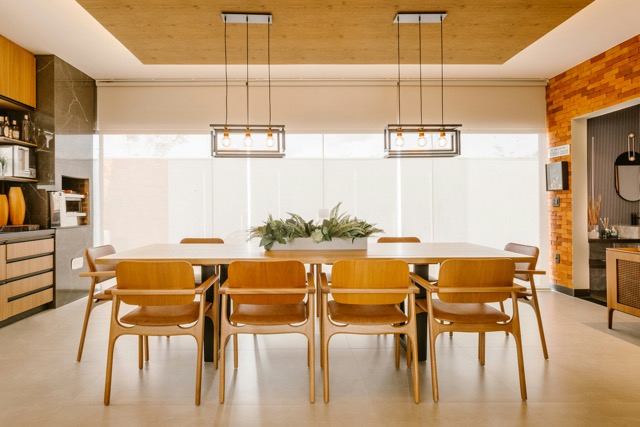
How Dining Table Size Influences Comfort and Everyday Functionality
The size of a dining table plays a crucial role in how comfortable and practical the dining area feels on a daily basis. Beyond the number of seats, dimensions directly affect posture, movement, and how people interact during meals. A table that is too narrow can feel cluttered, while an excessively wide table may make conversation feel distant and awkward.
Depth is one of the most underestimated aspects. Tables with insufficient depth struggle to accommodate plates, shared dishes, and centerpieces comfortably. On the other hand, overly deep tables reduce intimacy. For most homes, a depth between 36 and 40 inches provides the ideal balance between usability and visual proportion.
Length should reflect actual habits rather than occasional needs. A compact table that works well every day often feels more comfortable than an oversized one used only a few times a year. This is where extendable options become especially valuable, allowing the table to adapt without dominating the space.
Standard Dining Table Dimensions by Seating Needs
Understanding recommended dimensions helps avoid common mistakes and ensures long-term comfort. The table below outlines practical sizing guidelines based on seating capacity.
| Seating Capacity | Ideal Table Length | Ideal Table Width |
|---|---|---|
| 2–4 people | 36–48 inches | 30–36 inches |
| 4–6 people | 60–72 inches | 36–40 inches |
| 6–8 people | 78–96 inches | 36–40 inches |
| 8–10 people | 96–120 inches | 40–44 inches |
These proportions allow each person enough elbow room while keeping the table functional for everyday meals and gatherings.
How Table Shape Affects Interaction and Atmosphere
Dining table shape subtly influences how people interact. Rectangular tables tend to create a sense of structure, often establishing visual focal points at each end. This can feel formal and organized, making the shape ideal for traditional dining rooms or large gatherings.
Round tables promote equality and connection. With no head of the table, conversation flows more naturally, making them perfect for casual dining and family-oriented spaces. They also improve circulation, especially in compact rooms.
Oval tables offer a compromise between formality and softness. They maintain generous seating while eliminating sharp corners, making them suitable for both open-plan layouts and narrower dining areas.
Square tables emphasize symmetry and balance. While visually appealing, they work best for smaller groups and can feel restrictive when accommodating more than four people.
Dining Tables in Open-Concept Spaces
In open-plan homes, the dining table functions as a visual anchor between different zones. It must relate harmoniously to nearby elements such as kitchen islands, sofas, and lighting fixtures.
Scale becomes especially important. A table that is too small may feel insignificant, while one that is too large can overpower the space. Material consistency helps unify the environment. Repeating wood tones, metal finishes, or color accents across areas creates visual continuity.
Open spaces also benefit from tables with lighter visual profiles, such as slimmer legs or tapered edges, which maintain openness without sacrificing function.
Selecting a Dining Table for Small Homes and Apartments
Smaller living spaces require careful planning. Compact tables with streamlined designs help preserve circulation and avoid visual clutter. Drop-leaf tables, extendable models, and gateleg designs provide flexibility without permanent bulk.
Round tables are particularly effective in apartments because they allow smoother movement and reduce sharp edges. Glass tops or light wood finishes enhance brightness and make rooms feel more spacious.
For multipurpose use, such as dining and working, surface durability and ergonomic height become essential. A stable table with a comfortable height supports long periods of use beyond meals.
Choosing a Table for Large Families and Frequent Hosting
Households that regularly host guests need tables that prioritize durability and adaptability. Solid construction, reinforced joints, and stable bases ensure longevity under frequent use.
Extendable tables with multiple leaves allow gradual expansion and better accommodate different group sizes. Integrated leaf storage simplifies setup and protects additional panels from damage.
Seating flexibility is also key. Pedestal bases or strategically placed legs allow more chairs to fit comfortably without compromising legroom.
Dining Table Materials and Lifestyle Compatibility
Material choice affects not only appearance but also maintenance and long-term satisfaction. Each material responds differently to wear, spills, and daily use.
| Material Type | Durability | Maintenance | Ideal For |
|---|---|---|---|
| Solid Wood | High | Medium | Families, timeless interiors |
| Engineered Wood | Medium | Low | Budget-conscious households |
| Glass | Medium | High | Small, modern spaces |
| Stone or Marble | Very High | Medium | Formal dining areas |
| Metal or Mixed | High | Low | Contemporary and industrial styles |
Choosing material based on real lifestyle needs prevents unnecessary upkeep and extends the table’s lifespan.
Surface Finishes and Everyday Practicality
The finish of a dining table significantly affects how it ages. Matte finishes conceal fingerprints and scratches better than glossy ones. Textured or brushed surfaces hide wear and add character.
Sealed finishes protect against stains and moisture, making them suitable for busy households. Natural oil finishes enhance wood grain but require regular maintenance to preserve their appearance.
Understanding how finishes behave over time helps set realistic expectations and reduces frustration.
Edge Profiles and Safety Considerations
Edge design impacts both comfort and safety. Rounded edges are ideal for homes with children, reducing the risk of injury. Beveled or chamfered edges add subtle visual interest while maintaining practicality.
Sharp edges create a modern, sleek look but may feel harsh in casual settings. Edge thickness also affects perception. Thicker edges convey strength and craftsmanship, while thinner edges create a lighter, more refined appearance.
Table Bases and Structural Integrity
A table’s base determines stability and seating comfort. Four-leg designs provide reliable support but may restrict chair placement depending on leg position.
Pedestal bases maximize legroom and seating flexibility, especially for round or oval tables. However, they must be well-engineered to prevent wobbling.
Trestle bases are ideal for long tables and add visual character, though they can interfere with foot space if not carefully designed.
Testing stability is essential. A dining table should feel solid and balanced under uneven weight.
How Dining Tables and Chairs Work Together
A dining table is only as comfortable as the chairs paired with it. Seat height, armrest clearance, and seat depth all affect usability.
Armchairs require additional clearance beneath the table, so apron height matters. Mixing chair styles can add personality, as long as seat heights remain consistent.
Upholstered chairs provide comfort but require more maintenance, while wooden or metal chairs are easier to clean and often more durable.
Color Selection and Visual Impact
Color influences how the table interacts with the space. Dark finishes create contrast and anchor the room but can feel heavy in small areas. Light finishes reflect light and enhance openness.
Neutral tones offer versatility and longevity, allowing decor changes over time. Bold colors make a statement but may limit flexibility in future redesigns.
When uncertain, choosing a neutral table and adding personality through accessories provides balance.
Dining Tables as Long-Term Design Decisions
A dining table is a long-term investment that should adapt to evolving needs. Family growth, lifestyle changes, and shifts in interior style all influence how well the table continues to serve its purpose.
Timeless designs, quality materials, and adaptable features increase longevity. Avoiding overly trendy styles helps ensure the table remains relevant for years.
Considering long-term value rather than short-term appeal leads to more satisfying decisions.
How to Evaluate a Dining Table Before Buying
Testing a dining table in person provides valuable insight. Sitting at the table, moving chairs, and simulating daily use reveal potential issues with comfort or stability.
When buying online, detailed measurements, customer reviews, and clear return policies are essential. Visualizing the table’s footprint using floor tape or digital planners helps prevent sizing mistakes.
Taking time to evaluate these factors increases confidence and reduces the risk of regret.
Common Mistakes to Avoid When Choosing a Dining Table
Many buyers underestimate the importance of scale. A table that looks perfect in a showroom may feel overwhelming at home.
Ignoring circulation space is another frequent mistake. Comfort depends as much on what surrounds the table as the table itself.
Lastly, choosing style over function often leads to regret. The best tables balance beauty and usability seamlessly.
Final Thoughts on Choosing the Perfect Dining Table
Choosing the right dining table is a thoughtful process that combines measurement, lifestyle analysis, material knowledge, and design awareness. When done correctly, the result is a table that feels natural in your space and supports everyday life with comfort and elegance.
A dining table should invite people to sit, stay, and connect. By considering each element carefully, you ensure that this central piece serves your home beautifully for many years.
Frequently Asked Questions
What is the best dining table shape for small spaces?
Round and oval tables are often best for small spaces because they improve circulation and reduce sharp corners.
How much space should be left around a dining table?
Ideally, leave at least 36 inches of clearance around the table for comfortable movement.
Is an extendable dining table worth it?
Yes, extendable tables offer flexibility for hosting while maintaining daily comfort.
Which dining table material is easiest to maintain?
Engineered wood, sealed stone, and metal surfaces generally require less maintenance than solid wood or glass.
Should the dining table match the kitchen or living room furniture?
It should harmonize with surrounding elements but does not need to match exactly. Balance and cohesion matter more than uniformity.