Gaming has evolved rapidly over the past decade. From physical discs to digital downloads, from bulky consoles to portable devices, the industry never stops reinventing itself. Now, cloud gaming is challenging the traditional model by promising high-end gaming without expensive hardware. But does it truly deliver on that promise, or is it just another tech trend riding the hype wave?
In the United States, more players are exploring alternatives to costly gaming PCs and next-gen consoles. With subscription services offering instant access to vast libraries, the idea of streaming games like movies sounds almost too good to be true. However, performance, internet speed, and long-term costs are crucial factors that can’t be ignored.
If you’re considering switching to cloud gaming or simply curious about whether it makes financial and practical sense, this deep dive will help you evaluate the pros, the trade-offs, and the hidden realities behind the buzz. By the end, you’ll have a clear perspective to decide if cloud gaming fits your lifestyle and gaming goals.
What Is Cloud Gaming?
Cloud gaming, also known as game streaming, allows players to run video games on remote servers instead of on local hardware like consoles or PCs. The game is processed in powerful data centers, and the video feed is streamed to your device in real time. Your inputs—controller, keyboard, or touchscreen—are sent back to the server instantly.
Instead of downloading gigabytes of data, installing patches, or upgrading graphics cards, you simply log in and start playing. The concept mirrors platforms like Netflix, but instead of streaming movies, you’re streaming interactive gameplay.
The appeal is obvious: no expensive hardware upgrades, no storage concerns, and no waiting for installations. But while the idea is simple, the execution depends heavily on internet infrastructure.
How Cloud Gaming Works
At its core, cloud gaming relies on three essential components: remote servers, high-speed internet, and low-latency data transmission.
When you start a game through services like NVIDIA’s GeForce NOW or Microsoft’s Xbox Cloud Gaming, the game runs on a powerful machine in a data center. The server processes graphics and physics, encodes the video output, and streams it to your screen in milliseconds.
Your controller input travels back to the server almost instantly. If latency remains low enough, the experience feels nearly identical to playing locally. However, if your connection fluctuates, you may notice input lag, reduced image quality, or buffering.
This delicate balance between performance and connectivity defines whether cloud gaming feels futuristic—or frustrating.
Major Cloud Gaming Platforms in the U.S.
The U.S. market has several leading cloud gaming services, each with distinct features and pricing structures.
Xbox Cloud Gaming
Included with Xbox Game Pass Ultimate, this service allows players to stream hundreds of titles across devices. Its biggest advantage is ecosystem integration—especially for players already invested in Xbox consoles.
GeForce NOW
Rather than offering its own game library, GeForce NOW connects to games you already own on platforms like Steam. It’s known for strong performance and high-end RTX streaming options.
PlayStation Plus Premium
Sony’s cloud offering provides access to classic and modern PlayStation titles. While not as flexible across devices as competitors, it appeals strongly to PlayStation loyalists.
Advantages of Cloud Gaming
Cloud gaming offers undeniable benefits.
First, there’s no need for expensive hardware. A mid-range laptop, tablet, or even smartphone can run graphically demanding AAA titles. This dramatically lowers the entry barrier for gaming.
Second, instant access is a game changer. No downloads. No patches. No storage management. You can jump between devices seamlessly.
Third, portability improves significantly. You can start a session on your PC and continue on your phone. For players who travel or move frequently, this flexibility is invaluable.
Finally, subscription-based pricing creates predictable monthly expenses. Instead of spending $500–$1,500 on hardware, users pay manageable monthly fees.
Disadvantages and Limitations
However, cloud gaming is not flawless.
The biggest limitation is internet dependency. In the U.S., while fiber connections are growing, many households still rely on inconsistent broadband speeds. Cloud gaming typically requires at least 15–25 Mbps for stable HD streaming—and more for 4K.
Latency is another concern. Competitive shooters and fast-paced games can feel slightly delayed compared to local play. Even a few milliseconds matter in esports-level competition.
Data caps also pose a challenge. Streaming games consumes significant bandwidth. If your ISP enforces monthly limits, you may exceed them quickly.
Finally, you don’t truly “own” the hardware experience. If servers go down or subscriptions expire, access disappears.
Cost Comparison: Cloud vs. Traditional Gaming
At first glance, cloud gaming appears cheaper.
Let’s break it down:
Traditional gaming setup:
- Console or gaming PC: $500–$2,000
- Games: $60–$70 each
- Accessories: controllers, storage upgrades
Cloud gaming:
- Subscription: $10–$20 per month
- Optional controller
- No hardware upgrade cycle
Over a five-year span, cloud gaming may cost less upfront. However, long-term subscription payments can accumulate. The real value depends on how often you play and whether you prefer ownership or access.
Performance: Can It Replace a Gaming PC?
For casual and mid-core gamers, the answer is increasingly yes. Modern cloud services offer impressive visual fidelity and stable frame rates under optimal conditions.
But for hardcore PC gamers who demand ultra settings, mod support, and zero latency, cloud gaming still has limitations. While RTX streaming and 4K options exist, performance depends heavily on proximity to data centers and connection quality.
In short, cloud gaming narrows the gap—but hasn’t entirely closed it.
Who Should Consider Cloud Gaming?
Cloud gaming is ideal for:
- Casual gamers
- Budget-conscious players
- Students
- Travelers
- Families sharing devices
It’s less ideal for:
- Competitive esports players
- Gamers with unstable internet
- Players in rural areas with limited broadband
Understanding your usage habits is key.
The Future of Cloud Gaming in the U.S.
With expanding 5G networks and fiber internet adoption, cloud gaming infrastructure continues to improve. Major tech companies are investing billions into data centers and AI-driven compression technologies.
As internet speeds increase and latency decreases, cloud gaming could become the default model. However, hardware-based gaming won’t disappear overnight. Many players still value physical ownership and offline reliability.
The most likely future? A hybrid ecosystem where local and cloud gaming coexist.
Internet Infrastructure in the United States: The Deciding Factor
Cloud gaming in the U.S. lives and dies by internet quality. While urban areas increasingly benefit from fiber connections and high-speed cable broadband, rural regions still struggle with limited bandwidth and higher latency. This uneven infrastructure directly affects user experience.
In metropolitan areas like New York, Los Angeles, and Chicago, low-latency connections make cloud gaming feel nearly seamless. However, in smaller towns where DSL or satellite internet dominates, input delay and compression artifacts become more noticeable. The reality is simple: cloud gaming performs best where broadband competition has pushed speeds higher and latency lower.
Fiber adoption continues expanding through providers like AT&T and Verizon, which are investing heavily in gigabit networks. As infrastructure improves nationwide, the viability of cloud gaming increases proportionally. But today, geography still plays a meaningful role in determining whether it feels revolutionary or unreliable.
Latency Explained: Why Milliseconds Matter
Latency refers to the delay between pressing a button and seeing the action occur on screen. In traditional gaming, that delay is minimal because everything runs locally. In cloud gaming, the signal must travel to a server and back.
Even a 20–30 millisecond delay can be noticeable in fast-paced genres like first-person shooters, fighting games, and competitive multiplayer titles. For casual RPGs or strategy games, however, latency becomes far less critical.
Competitive gamers who play titles like Fortnite or Call of Duty often prioritize ultra-low ping connections. For them, cloud gaming may introduce unpredictability. On the other hand, story-driven experiences and single-player adventures are far more forgiving.
As edge computing expands and servers move physically closer to users, latency continues shrinking. Still, physics sets limits: data cannot travel instantly. This remains one of the core technological hurdles cloud gaming must continuously overcome.
Data Consumption and ISP Policies
One often-overlooked factor is data usage. Streaming games at 1080p can consume approximately 5–10 GB per hour. At 4K resolution, that number can exceed 15 GB per hour.
For gamers who play 2–3 hours daily, monthly consumption can easily reach hundreds of gigabytes. Many U.S. internet providers impose soft data caps around 1 TB per month. While that sounds high, heavy streaming households—especially those combining Netflix, YouTube, and cloud gaming—can approach that limit surprisingly fast.
Providers like Comcast have implemented data cap policies in several states. This means users may face additional fees if they exceed thresholds. Before committing to cloud gaming, checking ISP terms is essential.
Unlimited fiber plans mitigate this concern significantly. Therefore, the real cost equation must include your internet plan—not just the gaming subscription.
Device Compatibility and Accessibility
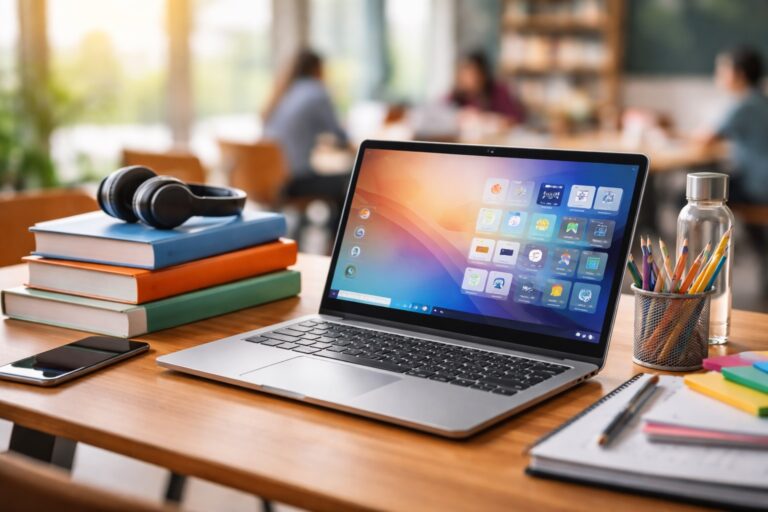
One of cloud gaming’s strongest selling points is device flexibility. You don’t need a high-end GPU or the latest console. A Chromebook, older MacBook, tablet, or even a smart TV can potentially handle cloud gaming.
Services like Xbox Game Pass Ultimate allow streaming through web browsers, mobile apps, and supported TVs. Similarly, GeForce NOW supports Windows, macOS, Android, and certain smart TVs.
This dramatically expands accessibility. Students with entry-level laptops can access AAA experiences previously limited to expensive hardware. Families can share access across devices without purchasing multiple consoles.
However, not every device performs equally. Wi-Fi stability, Bluetooth controller latency, and screen refresh rates influence overall experience. A wired Ethernet connection typically produces the most stable results. So while device flexibility exists, optimal performance still requires thoughtful setup.
Cloud Gaming vs. Console Ownership Psychology
Beyond technical factors, there’s a psychological dimension. Traditional gamers often value ownership—the feeling of physically possessing a console or PC. Hardware feels permanent. Subscriptions feel temporary.
Cloud gaming shifts the model from ownership to access. You don’t “have” the machine. You’re renting computing power. For some players, that lack of control creates hesitation.
On the other hand, subscription culture has normalized access-based consumption. Music streaming replaced CDs. Video streaming replaced DVDs. Younger gamers growing up with digital ecosystems may feel less attached to hardware ownership.
The shift represents more than technology—it reflects changing consumer behavior. Whether cloud gaming feels acceptable often depends on generational mindset as much as performance metrics.
Game Libraries and Availability
A crucial factor when evaluating cloud gaming is the available game library. Not every title supports streaming, and licensing agreements vary.
PlayStation Plus Premium focuses heavily on PlayStation exclusives and legacy titles. Xbox Cloud Gaming integrates directly with the broader Game Pass catalog. Meanwhile, GeForce NOW allows access to games you already own on supported digital storefronts.
This difference matters. Some services include games in the subscription price. Others require purchasing them separately. Therefore, the true cost depends on whether your preferred titles are included or require additional spending.
Before subscribing, reviewing the available catalog ensures alignment with your gaming preferences.
Competitive Gaming and Esports Considerations
Esports remains one of the few domains where cloud gaming still struggles to compete with local hardware.
Professional players require consistency, ultra-low latency, and high refresh rates. Tournaments demand precision measured in milliseconds. Any slight instability can affect performance outcomes.
While cloud gaming can handle casual competitive play, it hasn’t yet become the preferred choice for high-level esports. Many competitive communities still rely on dedicated gaming PCs with wired connections and high-end monitors.
However, as 5G and fiber networks expand, this gap may narrow. If latency drops below perceptible thresholds, the distinction between local and cloud gaming could diminish dramatically.
5G Networks and Mobile Cloud Gaming
The rollout of 5G networks across the United States has significantly improved mobile data speeds. Carriers like T-Mobile are expanding coverage rapidly, enabling smoother mobile streaming experiences.
5G’s lower latency and higher bandwidth make playing AAA titles on smartphones more realistic than ever. Combined with cloud gaming apps, this creates new possibilities for gaming anywhere—on commutes, during travel, or outside traditional home setups.
However, mobile data plans may include throttling after certain thresholds. Therefore, while 5G enhances mobility, unlimited high-speed plans remain essential for consistent performance.
Environmental Impact: A Hidden Perspective
An interesting angle often overlooked is environmental impact. Traditional gaming requires manufacturing consoles, GPUs, and physical components. These devices consume electricity locally.
Cloud gaming shifts computation to centralized data centers. These centers consume significant power but operate at large scale efficiencies. Some companies are investing in renewable energy to power their server farms.
Whether cloud gaming is greener depends on energy sources, hardware lifespan, and usage patterns. If users avoid frequent hardware upgrades due to cloud access, electronic waste may decrease. However, server demand also increases energy consumption globally.
The environmental balance remains complex, but centralization may allow better optimization compared to millions of independent gaming PCs running simultaneously.
Subscription Fatigue and Long-Term Value
In the modern U.S. digital economy, consumers juggle multiple subscriptions—streaming services, music platforms, productivity tools, and more. Adding another monthly payment raises an important question: does cloud gaming deliver enough value to justify recurring costs?
For gamers who play frequently, a $15 monthly subscription can offer incredible value if it replaces buying several $70 games per year. But for occasional players, paying year-round may feel inefficient.
One strategy involves subscribing seasonally. Many services allow cancellation and resubscription without penalties. This flexible approach maximizes value while minimizing wasted spending.
Long-term cost comparison requires evaluating personal gaming frequency—not just monthly price tags.
Modding and Customization Limitations
PC gamers often enjoy modding communities that extend a game’s lifespan. Mods enhance graphics, add features, and create entirely new experiences.
Cloud gaming typically restricts deep system-level modifications. Since games run on remote servers, users cannot freely install third-party modifications. This limitation may discourage players who value customization.
For players who prefer plug-and-play simplicity, this restriction is irrelevant. For modding enthusiasts, however, it remains a significant drawback.
Offline Gaming vs. Always Online
Traditional gaming allows offline play once a game is installed. Cloud gaming, by definition, requires a continuous internet connection.
Power outages, ISP disruptions, or server maintenance can temporarily eliminate access. While outages are rare, they represent a fundamental trade-off: convenience in exchange for dependency.
For players living in areas prone to storms or network instability, this risk matters. For those in stable urban environments, it may feel negligible.
Understanding your tolerance for connectivity reliance is crucial before transitioning fully to cloud gaming.
The Hybrid Future: Local + Cloud
Rather than replacing consoles and PCs entirely, cloud gaming may become a complementary layer.
Many gamers already use hybrid models—playing locally at home while using cloud streaming on the go. Console manufacturers increasingly integrate remote play features, blurring the line between traditional and cloud experiences.
The most realistic near-term scenario in the U.S. is coexistence. Hardcore enthusiasts maintain powerful rigs. Casual and mobile players embrace cloud access. Over time, distinctions may blur further as hardware and infrastructure converge.
Final Thoughts on Practical Evaluation
Determining whether cloud gaming is worth it ultimately requires personal assessment across several variables: internet reliability, gaming intensity, budget preferences, and lifestyle flexibility.
For urban players with strong broadband and moderate gaming habits, cloud gaming offers compelling convenience. For competitive players demanding precision, traditional hardware still delivers advantages.
Technology continues evolving. Servers grow faster. Compression improves. Latency shrinks. The conversation isn’t static—it’s dynamic. What may feel experimental today could become standard tomorrow.
Cloud gaming isn’t just about playing differently. It represents a broader transformation in how digital experiences are delivered. Whether that transformation aligns with your expectations depends entirely on how—and why—you play.
Is Cloud Gaming Worth It? Final Verdict
Cloud gaming is no longer a futuristic experiment—it’s a legitimate alternative. For many Americans, especially those seeking affordability and convenience, it offers tremendous value.
However, it isn’t universally superior. Internet quality, gaming intensity, and personal preferences ultimately determine whether it’s worth the switch.
If your connection is strong and you appreciate flexibility, cloud gaming can absolutely redefine how you play. But if you demand flawless competitive precision and full control over hardware, traditional setups may still serve you better.
Conclusion
Cloud gaming represents a bold shift in how games are delivered and experienced. It lowers barriers, increases accessibility, and aligns with modern subscription culture. Yet, like any evolving technology, it carries trade-offs. The decision ultimately depends on your internet reliability, gaming habits, and long-term budget strategy. Evaluate your priorities carefully before committing.
Frequently Asked Questions
1. Do I need high-speed internet for cloud gaming?
Yes. A stable connection of at least 15–25 Mbps is recommended for HD streaming, while 4K may require 35 Mbps or more.
2. Can cloud gaming replace consoles completely?
For casual gamers, yes. For competitive players or those with unreliable internet, consoles still offer advantages.
3. Does cloud gaming use a lot of data?
Yes. Streaming games can consume 5–15 GB per hour depending on resolution.
4. Are cloud gaming services available nationwide in the U.S.?
Most major services operate nationwide, but performance varies based on proximity to data centers.
5. Is cloud gaming cheaper long-term?
It can be, especially if you avoid hardware upgrades. However, subscription costs accumulate over time.