In an increasingly connected world, the speed and quality of our digital communication have a direct impact on how we live, work, and entertain ourselves. With the advent of 5G technology, we are on the verge of a revolution that promises to transform the entire structure of modern society.
This advancement is not just a simple improvement over 4G; it is a giant leap toward a future of unlimited possibilities. To understand what 5G can do for us, imagine an ultra-fast internet that brings convenience and entertainment to a whole new level.
But 5G goes beyond entertainment and personal convenience—it has the potential to drive significant advances in sectors such as healthcare, education, and industry. In this article, we will explore what 5G is, its undeniable advantages, and the challenges we face in its implementation.
What is 5G?
In short, the term “5G” refers to the fifth generation of mobile network technologies. After the first four generations—which took us from simple voice communication to high-definition video streaming—5G represents the next frontier.
This new technology is not just about speed. It also promises greater network capacity, lower latency (the response time between sending and receiving information), and the ability to connect many devices simultaneously without performance loss.
Advantages of 5G
The advantages of 5G are extensive and can be felt across various areas:
- Speed: 5G is substantially faster than its predecessors. It can achieve download and upload speeds that rival fixed broadband connections.
- Low Latency: Latency, or the delay in communication between devices and servers, is almost nonexistent in 5G. This is crucial for applications like remote surgeries or online gaming.
- Higher Capacity: 5G networks can support more connected devices, which is essential for the expansion of the Internet of Things (IoT). It allows more devices to communicate and share data simultaneously.
- Reliability: 5G is designed to be a more stable network, with fewer interruptions and disconnections. This is vital for critical missions and business applications.
Challenges of 5G
Although 5G promises many benefits, there are significant challenges to overcome:
- Coverage: The range of 5G cells is smaller than that of previous generations, meaning more antennas are needed to cover the same area.
- Cost: The infrastructure required to support 5G networks is expensive, which may slow down deployment, especially in less developed regions.
- Security: With more connected devices, concerns about data security and privacy increase.
- Health and Environment: There are concerns about the effects of increased radio wave exposure on the human body and the environment, although current research has not found significant risks.
How 5G is Changing Internet Access, Business, and Everyday Life
5G is not just another upgrade in the telecommunications timeline. It is a revolution that is redefining how we interact with the digital world. Its impact is already being felt in multiple dimensions of our lives.
Internet Access
The 5G connection is transforming internet access by providing download and upload speeds that, in some cases, surpass traditional wired connections.
This means high-speed internet can reach places where broadband infrastructure is limited or nonexistent, democratizing access to information and online services.
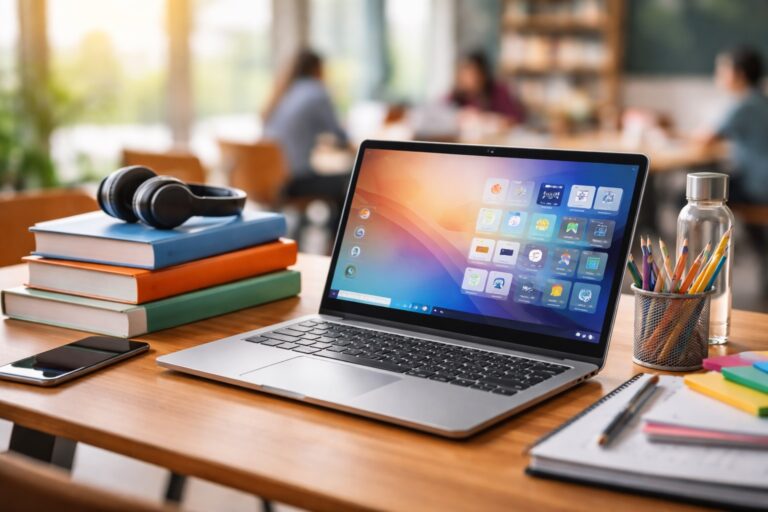
Furthermore, with 5G, the concept of the office is expanding. It is no longer necessary to be physically present in a workplace to have a quality internet connection.
This facilitates remote work and opens the door to new forms of digital collaboration, regardless of the geographic location of those involved.
Business
In business, 5G is acting as a catalyst for digital transformation.
Companies are leveraging high speed and low latency to implement Internet of Things (IoT) solutions, such as smart sensors and industrial automation, which can optimize processes, reduce costs, and improve safety.
Additionally, the ability of 5G to support a much higher density of connected devices per square kilometer allows businesses to collect, analyze, and use an unprecedented amount of data.
This can lead to deeper insights into consumer behavior and the creation of real-time personalized experiences.
Everyday Life
In daily life, 5G is changing how we interact with technology. The ability to download and send large amounts of data almost instantly enables new experiences in video and music streaming, gaming, and augmented/virtual reality.
Imagine using augmented reality glasses to navigate an unfamiliar city with maps and information streamed in real-time, or playing an online game without any lag, even on the move.
5G also promises advancements in telemedicine, enabling remote diagnoses and real-time patient monitoring, improving access to healthcare, especially in rural or remote areas.
Transportation and Smart Cities
Finally, in transportation, 5G is a key piece in the development of autonomous vehicles, which rely on fast and reliable communications to process information and make decisions in fractions of a second.
In cities, networks will enable smarter and more efficient urban areas, with better traffic management, more responsive public services, and more effective energy and resource management.
Therefore, 5G is a promise of a future where everything will be connected quickly and efficiently. However, its successful implementation depends on how we address these challenges.
With continuous efforts and global collaboration, it can reach its full potential, paving the way for an era of unprecedented innovations.
The Evolution from 1G to 5G: A Brief Historical Perspective
To truly understand the importance of 5G, it helps to look back at how mobile networks have evolved over time. The journey began with 1G in the 1980s, which enabled basic analog voice communication. While revolutionary for its time, it was limited in both quality and security.
The introduction of 2G brought digital communication, improving call quality and enabling SMS messaging. This marked the beginning of mobile data, albeit at very slow speeds. With 3G, mobile internet became viable, allowing users to browse the web and access emails on their phones.
The leap to 4G transformed smartphones into powerful multimedia devices. High-speed internet enabled streaming, social media, and app-based ecosystems to flourish. Now, 5G builds upon all these advancements, pushing the boundaries even further by focusing not just on speed, but also on connectivity, responsiveness, and scalability.
How 5G Works: Understanding the Technology Behind It
5G operates using a combination of different frequency bands, including low-band, mid-band, and high-band (millimeter waves). Each of these plays a specific role in delivering speed, coverage, and capacity.
Low-band frequencies provide wide coverage but lower speeds, making them ideal for rural areas. Mid-band offers a balance between speed and coverage, which is why it is commonly used in urban and suburban environments. High-band frequencies, on the other hand, deliver extremely fast speeds but have limited range and require more infrastructure.
Another key component of 5G is small cell technology. Unlike traditional cell towers, small cells are compact base stations that can be installed on buildings, streetlights, and other urban structures. These cells help ensure consistent connectivity, especially in densely populated areas.
Additionally, technologies like beamforming and massive MIMO (Multiple Input Multiple Output) allow 5G networks to direct signals more efficiently, reducing interference and improving performance.
The Role of 5G in the Expansion of the Internet of Things (IoT)
One of the most transformative aspects of 5G is its ability to support the rapid growth of the Internet of Things. IoT refers to a network of interconnected devices that communicate and share data in real time.
With 5G, billions of devices—from smart home appliances to industrial machines—can be connected simultaneously without compromising performance. This opens the door to smarter homes, more efficient industries, and improved public services.
For example, in a smart home, devices like thermostats, security cameras, and lighting systems can work together seamlessly. In industrial settings, IoT sensors can monitor equipment performance and predict maintenance needs, reducing downtime and operational costs.
5G and the Future of Healthcare
Healthcare is one of the sectors that stands to benefit the most from 5G technology. With ultra-low latency and high reliability, medical professionals can perform remote procedures with unprecedented precision.
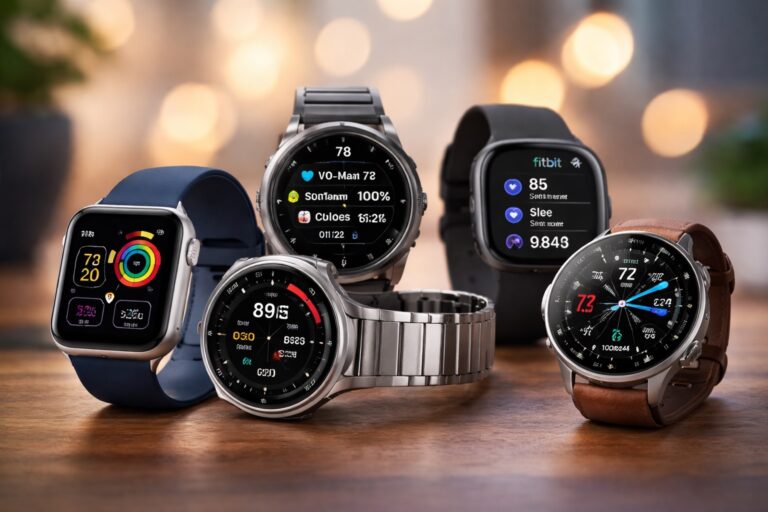
Telemedicine will become more advanced, allowing doctors to conduct virtual consultations with real-time data transmission. Wearable devices can continuously monitor patients’ vital signs and send alerts if abnormalities are detected.
In emergency situations, 5G can enable faster communication between ambulances and hospitals, ensuring that medical teams are better prepared before a patient arrives. This level of connectivity has the potential to save lives and improve the overall quality of healthcare services.
The Impact of 5G on Education and Learning
Education is undergoing a digital transformation, and 5G is accelerating this shift. With faster and more reliable internet connections, students can access high-quality educational content from anywhere in the world.
Virtual classrooms, augmented reality (AR), and virtual reality (VR) experiences can make learning more interactive and engaging. Imagine students exploring historical sites or conducting virtual science experiments without leaving their homes.
Moreover, 5G can help bridge the digital divide by providing internet access to underserved communities. This ensures that more people have the opportunity to learn and develop new skills, regardless of their location.
5G and the Entertainment Industry
The entertainment industry is already experiencing significant changes due to 5G. Streaming services can deliver ultra-high-definition content without buffering, enhancing the user experience.
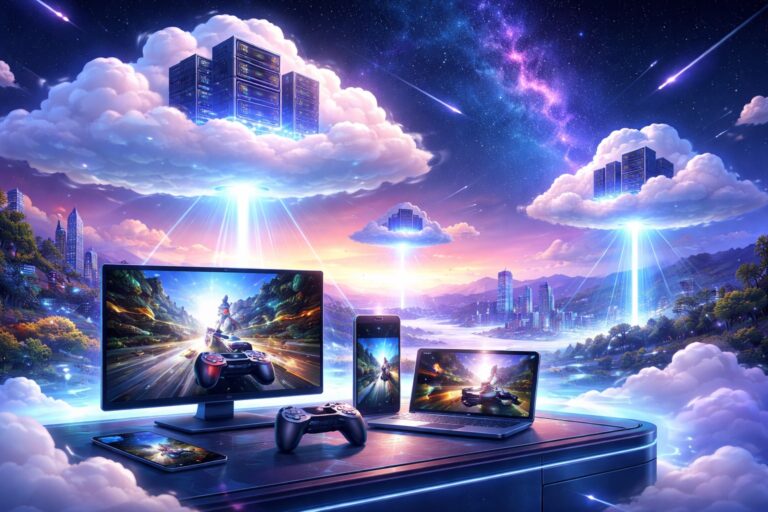
Cloud gaming is another area where 5G shines. Instead of relying on powerful local hardware, games can be streamed directly from servers, allowing users to play high-quality games on almost any device.
Augmented reality and virtual reality experiences are also becoming more immersive, as 5G enables real-time rendering and interaction. This opens up new possibilities for gaming, live events, and digital storytelling.
Smart Homes and Connected Living
5G is paving the way for smarter and more connected homes. With improved network capacity and reliability, multiple devices can operate simultaneously without interruptions.
Home automation systems can become more sophisticated, allowing users to control lighting, security, temperature, and appliances with ease. Voice assistants and AI-powered systems can learn user preferences and adapt accordingly.
This level of connectivity not only enhances convenience but also improves energy efficiency and home security.
The Role of 5G in Industry 4.0
Industry 4.0 refers to the fourth industrial revolution, characterized by automation, data exchange, and smart manufacturing. 5G plays a crucial role in enabling this transformation.
Factories can use connected machines and sensors to monitor production in real time. This allows for predictive maintenance, reducing downtime and increasing efficiency.
Robotics and automation systems can operate with greater precision, thanks to the low latency of 5G networks. This leads to safer working environments and improved productivity.
Environmental Impacts and Sustainability of 5G
While 5G brings many benefits, it also raises questions about its environmental impact. The deployment of new infrastructure requires energy and resources, which can contribute to carbon emissions.
However, 5G can also support sustainability efforts. Smart grids, for example, can optimize energy distribution and reduce waste. Connected transportation systems can minimize traffic congestion and lower emissions.
In agriculture, 5G-enabled technologies can help farmers use water, fertilizers, and pesticides more efficiently, reducing environmental impact while increasing productivity.
Privacy and Data Protection in the 5G Era
As connectivity increases, so do concerns about privacy and data security. With more devices collecting and transmitting data, the risk of cyber threats becomes more significant.
5G networks are designed with advanced security features, but users and organizations must also take proactive measures to protect their data. This includes using secure devices, updating software regularly, and implementing strong authentication methods.
Governments and regulatory bodies also play a key role in establishing standards and policies to ensure data protection in the 5G ecosystem.
The Global Race for 5G Deployment
Countries around the world are racing to deploy 5G networks, recognizing its potential to drive economic growth and technological innovation.
Nations that lead in 5G adoption are likely to gain a competitive advantage in areas such as artificial intelligence, smart manufacturing, and digital services.
However, this global race also brings challenges, including geopolitical tensions, infrastructure costs, and the need for international cooperation.
Future Innovations Enabled by 5G
The true potential of 5G is still unfolding. As the technology matures, it will enable innovations that were previously unimaginable.
From fully autonomous transportation systems to advanced AI applications and smart cities, 5G will serve as the foundation for future technological advancements.
We may see new forms of communication, entertainment, and work that redefine how society functions. The possibilities are vast, and we are only beginning to explore them.
The Economic Impact of 5G on Global Markets
The deployment of 5G is expected to generate significant economic growth across the globe. As industries adopt this new technology, productivity gains and operational efficiencies will contribute to increased output and innovation.
Telecommunications companies are investing billions in infrastructure, creating jobs and stimulating local economies. At the same time, entirely new markets are emerging, particularly in areas such as smart devices, connected services, and digital platforms.
Small and medium-sized enterprises (SMEs) also stand to benefit. With faster connectivity and access to advanced tools, smaller businesses can compete on a more level playing field, reaching customers worldwide and offering more personalized services.
In the long term, economists predict that 5G could contribute trillions of dollars to the global economy, reshaping industries and redefining competitiveness in the digital age.
5G and Remote Work Transformation
The rise of remote work has already changed how organizations operate, and 5G is set to accelerate this transformation even further.
With faster speeds and lower latency, employees can collaborate in real time using high-quality video conferencing, cloud-based applications, and virtual workspaces. This reduces the need for physical offices and allows companies to tap into global talent pools.
Moreover, 5G enables the use of advanced technologies such as virtual reality meetings and immersive collaboration tools. Teams can interact in digital environments that closely mimic in-person interactions, improving communication and productivity.
This shift also benefits employees by offering greater flexibility and work-life balance, which has become increasingly important in modern society.
The Role of 5G in Augmented Reality (AR) and Virtual Reality (VR)
Augmented reality and virtual reality technologies rely heavily on fast and stable internet connections. 5G provides the necessary infrastructure to make these experiences seamless and widely accessible.
In retail, AR can allow customers to visualize products in their homes before making a purchase. In education, VR can create immersive learning environments that enhance understanding and engagement.
In professional training, simulations powered by VR can help workers develop skills in a safe and controlled environment. For example, pilots, surgeons, and engineers can practice complex tasks without real-world risks.
As 5G continues to expand, AR and VR applications will become more sophisticated, opening up new opportunities across multiple industries.
5G in Agriculture and Smart Farming
Agriculture is another sector that can greatly benefit from 5G technology. Smart farming solutions rely on connected devices and real-time data to optimize crop production and resource management.
Sensors placed in fields can monitor soil conditions, moisture levels, and crop health. This data is transmitted instantly, allowing farmers to make informed decisions about irrigation, fertilization, and pest control.
Drones equipped with cameras and sensors can survey large areas of land, identifying issues quickly and accurately. Autonomous machinery can also be used to plant, harvest, and manage crops with minimal human intervention.
These advancements not only increase productivity but also promote sustainable farming practices, reducing waste and environmental impact.
The Influence of 5G on E-commerce and Retail
The retail industry is undergoing a digital transformation, and 5G is playing a key role in shaping its future.
With faster connectivity, online shopping experiences become smoother and more interactive. High-quality images, videos, and even AR features can be loaded instantly, enhancing customer engagement.
Physical stores are also becoming smarter. Technologies such as smart shelves, automated checkout systems, and personalized in-store experiences rely on real-time data processing enabled by 5G.
Retailers can analyze customer behavior more effectively, tailoring their offerings to meet individual preferences. This level of personalization can improve customer satisfaction and drive sales.
5G and Public Safety Enhancements
Public safety is another area where 5G can make a significant impact. Emergency services require fast and reliable communication to respond effectively to incidents.
With 5G, first responders can access real-time data, including video feeds, maps, and sensor information. This improves situational awareness and helps teams make better decisions in critical moments.
Drones and connected devices can be used in search and rescue operations, disaster response, and surveillance. These tools can provide valuable information without putting human lives at risk.
Additionally, smart city infrastructure can detect and respond to emergencies more quickly, improving overall safety for residents.
The Integration of Artificial Intelligence with 5G
Artificial intelligence (AI) and 5G are powerful technologies on their own, but together they create even greater possibilities.
5G enables the rapid transmission of large amounts of data, which AI systems can analyze in real time. This combination allows for faster decision-making and more accurate predictions.
In industries such as healthcare, finance, and transportation, AI-powered systems can process data from connected devices to optimize operations and improve outcomes.
For example, AI can analyze traffic patterns to reduce congestion, detect anomalies in financial transactions to prevent fraud, or assist doctors in diagnosing diseases more accurately.
The Challenges of Infrastructure Expansion
While the benefits of 5G are clear, expanding the necessary infrastructure remains a complex task.
Building a dense network of small cells requires significant investment and coordination between governments, telecom providers, and private entities. Urban areas may face challenges related to space and regulations, while rural areas may struggle with cost-effectiveness.
There are also logistical challenges, such as ensuring consistent coverage, maintaining equipment, and upgrading existing networks.
Despite these obstacles, ongoing innovation and collaboration are helping to overcome these barriers, bringing 5G closer to widespread adoption.
Consumer Adoption and Accessibility of 5G
For 5G to reach its full potential, it must be accessible to a wide range of users. This includes not only urban populations but also those in rural and underserved areas.
The cost of 5G-compatible devices can be a barrier for some consumers. However, as the technology becomes more widespread, prices are expected to decrease, making it more accessible.
Education also plays a role in adoption. Consumers need to understand the benefits of 5G and how it can improve their daily lives. Clear communication from service providers and policymakers can help drive this awareness.
As adoption grows, the network effect will further enhance the value of 5G, encouraging even more users to embrace the technology.
The Long-Term Vision of a Hyperconnected World
Looking ahead, 5G is a stepping stone toward an even more connected future. It lays the foundation for emerging technologies that will define the next era of innovation.
In a hyperconnected world, devices, systems, and people will interact seamlessly. Smart cities will operate efficiently, industries will be fully automated, and individuals will have access to information and services anytime, anywhere.
This vision also includes advancements in areas such as edge computing, quantum communication, and next-generation networks like 6G.
While there are still challenges to overcome, the trajectory is clear. 5G is not just a technological upgrade—it is a catalyst for a new digital ecosystem that will continue to evolve for years to come.
Conclusion: Preparing for a Fully Connected Future
As we move forward, 5G will continue to shape the way we live, work, and interact with the world. Its impact will extend far beyond faster internet speeds, influencing nearly every aspect of modern life.
To fully harness its potential, it is essential to address the challenges associated with its implementation, including infrastructure, security, and accessibility.
By doing so, we can build a future that is not only more connected but also more efficient, inclusive, and innovative.