
Smart homes are no longer a futuristic concept reserved for tech enthusiasts or luxury properties. Today, they are becoming increasingly accessible, practical, and appealing to people who want more comfort, efficiency, and control over their daily lives. From voice-activated lights to intelligent security systems, smart home technology is quietly reshaping how we interact with our living spaces.
What makes smart homes so attractive is their ability to adapt to your routine. Instead of adjusting your home to fit your lifestyle, technology allows your home to respond to you. Whether it’s optimizing energy usage, improving safety, or simply making everyday tasks easier, smart devices work together to create a more intuitive environment.
If you’ve ever wondered how smart homes actually work, which devices are worth investing in, or how this technology can truly improve your quality of life, this guide was created for you. Explore the possibilities, understand the systems, and discover how transforming your home can start with informed choices.
What Is a Smart Home?
A smart home is a residence equipped with connected devices that can be controlled remotely or automated to perform tasks based on user preferences. These devices communicate through the internet, allowing homeowners to manage lighting, climate, security, entertainment, and appliances using smartphones, tablets, or voice commands.
The core idea behind a smart home is integration. Instead of isolated gadgets, devices work together within a single ecosystem. For example, your thermostat can adjust itself when you leave home, your lights can turn on automatically at sunset, and your security system can send alerts in real time.
Smart homes are not about replacing human control but enhancing it. They offer convenience, customization, and data-driven insights that help users make better decisions about energy use, comfort, and safety.
How Smart Home Technology Works
Smart home systems rely on three main components: smart devices, connectivity, and a control platform. Smart devices include sensors, appliances, cameras, lights, and thermostats. Connectivity is usually provided through Wi-Fi, Bluetooth, Zigbee, or Z-Wave protocols. The control platform is typically an app or voice assistant that allows centralized management.
When devices are connected, they can share data and respond to triggers. A motion sensor might activate lights, or a temperature sensor might prompt the air conditioning to adjust automatically. These interactions happen almost instantly, creating a seamless user experience.
Automation is what truly sets smart homes apart. Users can create routines, schedules, and conditional actions that reduce the need for manual control while increasing efficiency and comfort.
Key Benefits of a Smart Home
One of the biggest advantages of a smart home is convenience. Being able to control multiple aspects of your home from one device saves time and effort. Simple actions like turning off all lights or locking doors can be done with a single command.
Energy efficiency is another major benefit. Smart thermostats, lighting systems, and appliances help reduce unnecessary consumption by adapting to usage patterns. Over time, this can lead to noticeable savings on utility bills while also supporting more sustainable living.
Security and safety are also significantly enhanced. Smart cameras, doorbells, and sensors provide real-time monitoring, instant alerts, and remote access. This level of visibility gives homeowners greater peace of mind, whether they are at home or away.
Common Smart Home Devices
Smart lighting is often the first step for many users. These systems allow you to control brightness, color, and schedules remotely. Lights can respond to motion, time of day, or voice commands, making them both practical and atmospheric.
Smart thermostats are designed to learn your preferences and optimize temperature settings automatically. They can detect when no one is home and adjust accordingly, helping maintain comfort without wasting energy.
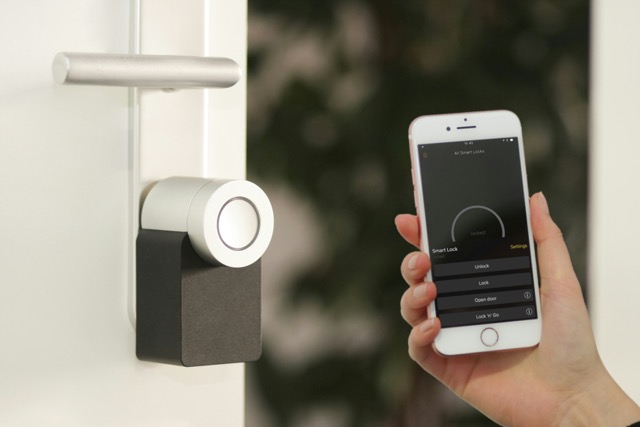
Security devices such as smart locks, cameras, and video doorbells add an extra layer of protection. They allow remote access, live video feeds, and activity logs, making it easier to monitor your home at all times.
Smart speakers and voice assistants act as the control hub for many systems. They enable hands-free operation and integrate with a wide range of devices, simplifying everyday interactions with your home.
Smart Home Automation and Routines
Automation is where smart homes truly shine. Instead of manually controlling devices, you can create routines that trigger multiple actions at once. A “good morning” routine might turn on lights, adjust the thermostat, and start your coffee maker.
Routines can also be conditional. For example, lights can turn off automatically when no movement is detected, or heating can turn on when the temperature drops below a certain level. These automated responses reduce effort while improving efficiency.
Over time, automation can significantly improve daily comfort. It minimizes repetitive tasks and allows homeowners to focus on what truly matters, trusting their home to handle the details.
Smart Home Security and Privacy
While smart homes offer advanced security features, privacy is an important consideration. Connected devices collect data to function effectively, which means users should be mindful of how information is stored and shared.
Choosing reputable brands, updating firmware regularly, and using strong passwords are essential steps to protect your system. Many platforms also allow users to customize privacy settings, controlling what data is collected and how it is used.
A well-configured smart home balances convenience with security. By understanding potential risks and taking preventive measures, users can enjoy the benefits of smart technology without compromising privacy.
Energy Efficiency and Sustainability
Smart homes play an increasingly important role in sustainable living. By monitoring usage patterns and optimizing performance, smart systems help reduce energy waste. Lighting, heating, and cooling systems can operate only when needed.
Some smart devices provide detailed energy reports, allowing homeowners to identify areas for improvement. This transparency empowers users to make informed choices that benefit both the environment and their budget.
As sustainability becomes a priority worldwide, smart home technology offers practical solutions that align comfort with responsibility.
Smart Homes for Different Lifestyles
Smart homes are highly adaptable and can be tailored to different needs. Families may prioritize security and child safety, while remote workers might focus on lighting, climate control, and noise management for productivity.
For older adults, smart homes can enhance independence. Features like voice control, automated lighting, and emergency alerts provide additional support and peace of mind.
Renters can also benefit from smart technology. Many devices are portable and easy to install, making them suitable for temporary living spaces without permanent modifications.
Challenges and Limitations of Smart Homes
Despite their advantages, smart homes are not without challenges. Initial setup can be overwhelming for beginners, especially when dealing with multiple platforms and compatibility issues.
Connectivity is another concern. Since most smart devices rely on the internet, system performance can be affected by network disruptions. A stable and secure connection is essential for reliable operation.
Cost can also be a factor. While entry-level devices are becoming more affordable, fully integrated systems may require a higher investment. However, many users find that long-term benefits outweigh the initial expense.
How to Start Building a Smart Home
Starting small is often the best approach. Begin with one or two devices that address your immediate needs, such as smart lighting or a thermostat. This allows you to become familiar with the technology before expanding.
Compatibility is key. Choose devices that work within the same ecosystem to ensure smooth integration. Planning ahead helps avoid frustration and unnecessary expenses.
As your confidence grows, you can gradually add more devices and create advanced automations that enhance your home experience step by step.
Smart Home Ecosystems and Compatibility
One of the most overlooked aspects of building a smart home is ecosystem compatibility. A smart ecosystem is the platform that connects all your devices, allowing them to communicate and function as a unified system. Without compatibility, devices may work individually but fail to deliver a seamless experience.
Choosing a primary ecosystem early helps avoid frustration. When devices are compatible, automation becomes more reliable, voice control works smoothly, and system management stays centralized. Mixing incompatible products can lead to multiple apps, delayed responses, and limited automation possibilities.
Understanding compatibility is not about locking yourself into one brand forever, but about ensuring that your devices speak the same digital language. This foundation determines how flexible, scalable, and future-proof your smart home will be.
Wired vs Wireless Smart Home Systems
Smart homes can be built using wired, wireless, or hybrid systems. Wireless setups are the most common today because they are easier to install and ideal for existing homes. These systems rely on Wi-Fi or specialized wireless protocols to connect devices.
Wired systems, while less common, offer higher stability and lower interference. They are often preferred in new constructions or large properties where reliability is critical. However, installation costs and complexity tend to be higher.
Hybrid systems combine both approaches, offering flexibility without sacrificing performance. Understanding the difference helps homeowners choose a setup that matches their property, budget, and long-term goals.
Smart Home Sensors and Their Role
Sensors are the silent workers of a smart home. They collect data and trigger actions without requiring user interaction. Motion sensors, temperature sensors, humidity sensors, and contact sensors all play specific roles in automation.
For example, motion sensors can turn lights on when someone enters a room and turn them off when the space is empty. Temperature and humidity sensors help optimize heating, cooling, and air quality automatically.
By strategically placing sensors throughout the home, users can unlock powerful automation while reducing manual control. Sensors are often inexpensive, yet they deliver some of the highest returns in comfort and efficiency.
Smart Lighting Beyond Convenience
Smart lighting is often seen as a convenience feature, but its impact goes far beyond turning lights on and off remotely. Advanced lighting systems support circadian rhythms by adjusting brightness and color temperature throughout the day.
This type of lighting can improve sleep quality, focus, and overall well-being. Warm tones in the evening help signal the body to relax, while cooler tones during the day support alertness and productivity.
Smart lighting also enhances home security by simulating occupancy when residents are away. This simple automation can significantly reduce the risk of unwanted attention.
Voice Control and Natural Interaction
Voice control has transformed how users interact with smart homes. Instead of navigating apps, users can control devices naturally through spoken commands. This creates a more intuitive and accessible experience.
Voice assistants can manage complex routines, answer questions, and provide real-time information. Over time, they become central hubs that simplify daily interactions with technology.
For households with multiple users, voice recognition adds personalization. Each person can access customized preferences, making the smart home feel more responsive and human-centered.
Smart Home Integration with Entertainment Systems
Entertainment is a major part of modern smart homes. Smart TVs, speakers, and streaming devices can be integrated into automation routines for a fully immersive experience.
Imagine lights dimming automatically when a movie starts, or music following you from room to room. These features turn entertainment into an experience rather than a standalone activity.
Smart entertainment systems also allow parental controls, usage tracking, and personalized profiles, making them suitable for households of all sizes.
Health and Wellness in Smart Homes
Smart homes are increasingly contributing to health and wellness. Air quality monitors track pollutants, humidity, and carbon dioxide levels, helping maintain a healthier indoor environment.
Smart beds, lighting, and climate systems support better sleep by adapting conditions automatically. For people with allergies or respiratory issues, these features can make a noticeable difference.
Wellness-focused smart homes are not about replacing healthcare but supporting healthier daily habits through subtle, consistent adjustments.
Smart Kitchens and Connected Appliances
The kitchen is becoming one of the most intelligent areas of the home. Smart appliances can monitor usage, suggest maintenance, and even recommend recipes based on available ingredients.
Refrigerators with inventory tracking help reduce food waste. Smart ovens allow remote control and precise cooking settings, while dishwashers optimize water and energy use.
These innovations turn the kitchen into a more efficient, organized, and responsive space without adding complexity to daily routines.
Smart Bathrooms and Water Management
Bathrooms are also evolving through smart technology. Smart showers allow temperature presets and water usage tracking, helping conserve resources without sacrificing comfort.
Leak detectors placed near sinks, toilets, and washing machines can prevent costly water damage by sending instant alerts. Some systems even shut off water automatically when leaks are detected.
By monitoring water consumption, smart homes promote sustainability while reducing unexpected maintenance issues.
Accessibility and Inclusive Smart Home Design
Smart homes can significantly improve accessibility for people with disabilities or mobility challenges. Voice control, automated doors, and hands-free lighting reduce physical barriers.
Custom routines allow users to perform multiple actions with a single command, simplifying everyday tasks. This level of control promotes independence and confidence.
Inclusive smart home design ensures that technology enhances quality of life for everyone, regardless of physical ability or age.
Maintenance and Long-Term Smart Home Care
Maintaining a smart home is essential for long-term performance. Regular software updates ensure security, improve functionality, and add new features.
Device maintenance alerts help users address issues before they become serious problems. Smart systems can notify homeowners about filter replacements, battery levels, or unusual activity.
A well-maintained smart home remains reliable, secure, and efficient, delivering consistent value over time.
Smart Homes and Property Value
Smart homes can positively influence property value. Buyers increasingly view smart features as desirable, especially when systems are well-integrated and easy to use.
Energy efficiency, security, and automation are often seen as long-term benefits that justify higher valuations. However, simplicity matters. Overly complex systems may deter potential buyers.
A balanced smart home setup enhances appeal without overwhelming future occupants.
Ethical Considerations and Data Awareness
As smart homes collect data, ethical considerations become important. Users should understand what information is being collected and how it is used.
Transparency, consent, and user control are key principles in responsible smart home adoption. Choosing platforms that prioritize data protection builds trust and confidence.
An informed user is better equipped to balance innovation with privacy and autonomy.
Smart Home Trends to Watch
Emerging trends include AI-driven automation, predictive maintenance, and deeper integration with renewable energy systems. Smart homes are becoming more proactive rather than reactive.
Edge computing is also gaining attention, allowing devices to process data locally instead of relying solely on the cloud. This improves speed and privacy.
As technology evolves, smart homes will continue to blend seamlessly into daily life, becoming less visible but more impactful.
The Future of Smart Homes
Smart home technology continues to evolve rapidly. Advances in artificial intelligence and machine learning are making systems more intuitive and personalized.
Future smart homes are expected to be even more proactive, anticipating user needs based on behavior patterns. Integration with renewable energy sources and smart grids will further enhance sustainability.
As technology becomes more seamless and user-friendly, smart homes are likely to become a standard feature rather than a novelty.
Conclusion
Smart homes represent a shift toward more responsive, efficient, and personalized living spaces. By integrating technology into everyday routines, they offer convenience, security, and energy savings that adapt to modern lifestyles. Whether you are just starting or looking to expand your setup, understanding how smart homes work empowers you to make smarter decisions for your living environment.
Frequently Asked Questions
1. Are smart homes difficult to set up?
Most smart devices are designed for easy installation, and many systems offer step-by-step guidance through mobile apps.
2. Do smart homes consume more energy?
When used correctly, smart homes typically reduce energy consumption by optimizing usage and eliminating waste.
3. Can smart homes work without the internet?
Some basic functions may work locally, but most features require an internet connection for full functionality.
4. Are smart homes secure from hacking?
Security depends on proper configuration, regular updates, and strong passwords. Choosing trusted brands also helps reduce risks.
5. Is it possible to build a smart home on a budget?
Yes, starting with affordable devices and expanding gradually allows users to create a smart home without high upfront costs.