Choosing the right makeup products has always involved a mix of intuition, experimentation, and—quite often—trial and error. With thousands of shades, textures, and finishes available across countless brands, finding what truly works for your skin tone and facial features can be overwhelming. Traditionally, this process meant testers in stores, time-consuming comparisons, or regrettable purchases.
In recent years, technology has transformed this experience. Makeup try-on apps now allow users to test products virtually using advanced facial recognition, augmented reality, and artificial intelligence. These tools provide realistic previews of how foundations, lipsticks, eyeshadows, blushes, and even full makeup looks will appear on a real face, all from a smartphone.
If you want to explore makeup more confidently, compare brands efficiently, and make smarter beauty decisions, this guide will walk you through the most advanced makeup testing apps available today, explaining exactly how they work, their unique strengths, and how to choose the right one for your needs.
What Are Makeup Try-On Apps and How Do They Work?
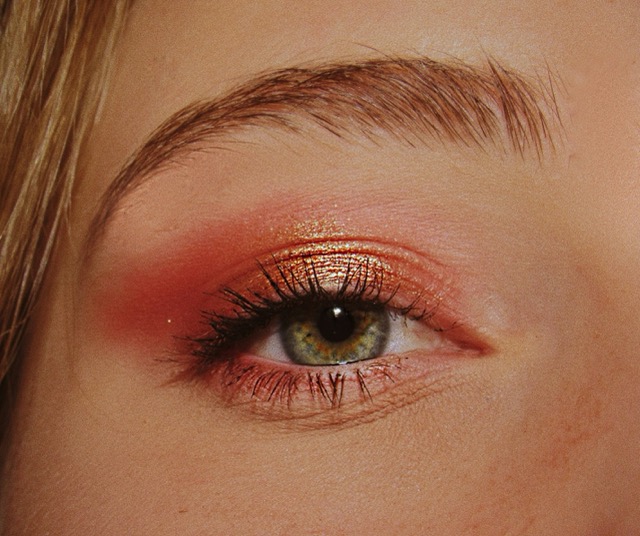
Makeup try-on apps are digital platforms that use augmented reality (AR), artificial intelligence (AI), and facial mapping technology to simulate cosmetic products on a user’s face. After analyzing facial landmarks—such as eyes, lips, cheekbones, and jawline—the app overlays makeup products in real time or on uploaded photos.
These apps rely on several core technologies working together. Facial detection algorithms identify precise facial features, while color-matching systems adapt makeup shades to different skin tones and lighting conditions. More advanced platforms use machine learning to improve realism, adjusting texture, opacity, shine, and blending so products behave like they would in real life.
The result is an interactive experience that allows users to switch shades instantly, compare multiple products side by side, and test complete looks without physically applying makeup.
Benefits of Using Makeup Try-On Apps
One of the biggest advantages of makeup try-on apps is convenience. Users can test dozens of products in minutes without visiting a store or cleaning makeup brushes. This is especially valuable for people with busy routines or limited access to physical beauty retailers.
Another major benefit is confidence in purchasing decisions. By seeing how a product looks on your own face, you reduce the risk of choosing the wrong shade or finish. This leads to fewer returns, less wasted money, and a more satisfying shopping experience.
These apps also encourage experimentation. Users can try bold colors, new styles, and unfamiliar brands in a risk-free environment. For beginners, this builds confidence; for experienced makeup lovers, it opens doors to creativity and discovery.
YouCam Makeup
YouCam Makeup is widely considered one of the most advanced and comprehensive makeup try-on apps available. Powered by sophisticated AI and AR technology, it offers an extremely realistic simulation of makeup products and full beauty looks.
The app allows users to try lipsticks, foundations, eyeshadows, eyeliners, mascaras, blushes, highlighters, and contour products from both luxury and drugstore brands. The facial tracking is highly precise, adapting seamlessly to head movement, facial expressions, and different lighting conditions.
One of YouCam Makeup’s standout features is its skin analysis tool. The app can evaluate skin texture, tone, and imperfections, offering personalized recommendations for makeup and skincare. It also includes makeup tutorials, beauty filters, and trend-based looks, making it a complete beauty ecosystem rather than just a try-on tool.
L’Oréal Makeup Genius
L’Oréal Makeup Genius was one of the first apps to bring real-time augmented reality makeup testing to a mainstream audience. Designed to replicate the in-store experience digitally, it focuses heavily on realism and brand accuracy.
The app allows users to test a wide range of L’Oréal products, including lipsticks, foundations, eye makeup, and nail colors. One of its strengths is real-time application without the need for photos. Users can move naturally while the makeup stays perfectly aligned with facial features.
Although the app is brand-specific, it excels in shade accuracy and texture realism. For users who already trust L’Oréal products, Makeup Genius offers a highly reliable way to explore new releases and find suitable shades without guesswork.
Perfect365
Perfect365 combines makeup simulation with beauty editing tools, making it popular among users who enjoy both experimentation and content creation. The app offers a wide selection of virtual makeup styles, from natural everyday looks to dramatic, editorial-inspired transformations.
Users can apply individual products or choose complete makeup presets created by professional artists. The app’s strength lies in its customization options, allowing adjustments to intensity, color saturation, and blending for a more personalized result.
Perfect365 is particularly popular among social media users because it integrates well with photo editing and sharing. While its makeup realism is strong, its focus leans slightly more toward stylized beauty than strict product accuracy.
Sephora Virtual Artist
Sephora Virtual Artist bridges the gap between inspiration and shopping. Integrated directly into Sephora’s digital ecosystem, the app allows users to try on thousands of products from multiple brands in one place.
The app supports real-time try-on and photo-based testing for lip products, eye makeup, foundation, and full-face looks. One of its most valuable features is the ability to compare shades side by side and receive personalized recommendations based on skin tone and undertone.
Sephora Virtual Artist is ideal for users who want a direct path from testing to purchasing. It simplifies decision-making by combining visualization, education, and product reviews in a single platform.
ModiFace
ModiFace is a professional-grade augmented reality beauty platform used by many global cosmetic brands. Unlike consumer-focused apps, ModiFace often operates behind the scenes, powering virtual try-on experiences on brand websites and retail apps.
Its technology is known for exceptional realism, particularly in how it handles foundation blending, skin texture, and light reflection. ModiFace can simulate makeup under different lighting environments, helping users understand how products will appear in real-world conditions.
Because it is frequently integrated into other platforms, users may not always recognize ModiFace by name, but they are likely benefiting from its technology when using high-end virtual try-on tools.
Charlotte Tilbury Virtual Try-On
Charlotte Tilbury’s virtual try-on experience focuses on recreating the brand’s signature glamorous aesthetic. The app allows users to test iconic lipsticks, eyeshadows, foundations, and full makeup looks curated by professional artists.
The strength of this tool lies in its artistic direction. Instead of overwhelming users with endless options, it guides them through curated looks designed to enhance different facial features and skin tones.
This approach makes the app especially appealing to users who prefer expert guidance and cohesive makeup styles rather than experimenting product by product.
Ulta Beauty Virtual Try-On
Ulta Beauty’s virtual try-on tool offers access to a broad range of brands and price points. It supports real-time makeup testing for lips, eyes, face, and brows, making it a versatile option for users with diverse beauty preferences.
The app emphasizes comparison and discovery. Users can test similar products from different brands side by side, helping them understand differences in tone, finish, and overall effect.
Ulta’s platform is particularly useful for budget-conscious shoppers who want to explore alternatives without sacrificing quality or aesthetic appeal.
How to Choose the Best Makeup Try-On App for You
Choosing the right makeup try-on app depends on your personal goals. If you prioritize realism and accurate shade matching, apps with advanced AR and skin analysis features will serve you best. If experimentation and creativity are more important, platforms with customizable looks and artistic presets may be more appealing.
Consider whether you prefer brand-specific apps or multi-brand platforms. Brand-specific apps often provide better accuracy for their own products, while multi-brand apps offer greater variety and comparison opportunities.
Finally, think about your shopping habits. If you like moving directly from testing to purchasing, integrated retail apps offer a smoother experience. If learning and exploration matter more, apps with tutorials and beauty education may be a better fit.
Differences Between Free and Paid Makeup Try-On Apps
One important aspect many users overlook when choosing a makeup try-on app is the difference between free and paid versions. While most apps offer basic functionality at no cost, premium features often unlock a much more refined and useful experience, especially for users who rely on accuracy and customization.
Free versions typically allow users to test a limited number of products, shades, or brands. They may include watermarks on images, restricted access to high-end collections, or reduced realism in texture and blending. In some cases, makeup placement may appear flatter or less responsive to facial movement, which can impact the reliability of the preview.
Paid versions, on the other hand, usually invest heavily in advanced AI processing and augmented reality precision. These versions often offer higher-resolution rendering, more accurate shade adaptation, and better handling of skin texture, shine, and undertones. This is particularly noticeable when testing foundation, contour, and highlight products, where subtle differences matter.
Another key advantage of premium access is personalization. Paid apps may include skin analysis tools, saved profiles, and personalized recommendations based on facial features, skin type, and previous interactions. This transforms the app from a simple visualization tool into a personalized beauty assistant.
Paid versions also tend to remove distractions such as ads, pop-ups, and feature limitations. This creates a smoother workflow, especially for users testing multiple looks or comparing several products in one session. For content creators and professionals, this efficiency can be a significant benefit.
However, free versions still serve an important role. For casual users who want to experiment occasionally or explore trends without commitment, free apps provide a low-barrier entry into virtual makeup testing. They are ideal for discovering new colors, understanding basic compatibility, and gaining confidence before visiting a store or making a purchase.
Ultimately, the choice between free and paid makeup try-on apps depends on how deeply the user engages with makeup. Those who value precision, personalization, and professional-level realism may find premium features worthwhile, while others may be perfectly satisfied with free tools for everyday exploration.
The Role of Artificial Intelligence in Virtual Makeup Testing
Artificial intelligence is the backbone of modern makeup try-on apps, and its role goes far beyond simply placing color on a face. AI systems are trained using massive datasets containing thousands of faces, skin tones, lighting conditions, and makeup finishes. This allows the software to understand how products should behave realistically on different facial structures.
One of the most important AI-driven processes is facial landmark detection. The app identifies precise points such as the corners of the eyes, the outline of the lips, the curve of the cheekbones, and the contour of the jawline. These points ensure that makeup aligns naturally, even when the user smiles, tilts their head, or changes expressions.
AI also plays a critical role in shade adaptation. Instead of applying a flat color overlay, advanced systems adjust pigmentation based on undertones, skin depth, and ambient lighting. This means the same lipstick shade can look subtly different on two users, closely mimicking real-life results.
Machine learning further improves accuracy over time. As more users interact with the app, the system refines its understanding of how makeup should blend, reflect light, and interact with skin texture, making each update more realistic than the last.
Augmented Reality vs Photo-Based Makeup Simulation
Makeup try-on apps generally fall into two categories: real-time augmented reality and photo-based simulation. Each approach has its strengths and ideal use cases.
Augmented reality allows users to see makeup applied live through their device’s camera. This creates an immersive experience where products move naturally with the face, offering immediate feedback. AR is ideal for testing how makeup looks during natural movement, helping users understand how a shade performs from different angles.
Photo-based simulation, on the other hand, involves uploading or capturing a still image and applying makeup afterward. This method often allows for higher detail and fine-tuning, as users can zoom in, adjust intensity, and compare multiple looks side by side without worrying about movement.
Some advanced apps combine both approaches, letting users switch seamlessly between real-time testing and detailed photo editing. This hybrid model provides both realism and precision, appealing to users who want the best of both worlds.
How Lighting and Camera Quality Affect Results
One factor that significantly influences the accuracy of virtual makeup testing is lighting. Makeup appearance changes dramatically depending on whether lighting is natural, artificial, warm, or cool. High-quality apps account for this by dynamically adjusting color rendering based on detected light sources.
However, poor lighting can still distort results. Dim environments may dull colors, while harsh lighting can exaggerate shine or texture. For best results, users should test makeup in well-lit spaces with neutral lighting conditions.
Camera quality also plays a major role. Higher-resolution cameras capture more detail in skin texture and tone, allowing the app to render smoother transitions and more realistic finishes. Older devices or low-resolution cameras may produce less accurate results, especially for subtle products like foundation and contour.
Understanding these limitations helps users interpret results more effectively and avoid unrealistic expectations when testing products virtually.
Virtual Foundation Matching and Skin Tone Analysis
Foundation is one of the most challenging makeup products to test virtually, and also one of the most important. A mismatch in shade or undertone can dramatically affect the final look. Makeup try-on apps tackle this challenge using skin tone analysis algorithms.
These systems scan areas of the face less affected by redness or shadows—such as the jawline or forehead—to determine true skin tone and undertone. Some apps classify skin as warm, cool, neutral, or olive, while others use more granular color mapping.
Advanced platforms also simulate how foundation blends into the skin rather than sitting on top. They adjust opacity, diffusion, and light reflection to replicate different finishes, such as matte, satin, or dewy.
This technology is especially valuable for users who struggle to find their perfect foundation match in stores, offering a more informed starting point before purchasing.
Testing Complete Makeup Looks vs Individual Products
Makeup try-on apps typically allow two approaches: testing individual products or applying full makeup looks. Each serves a different purpose and appeals to different user needs.
Testing individual products is ideal for users who already have a routine and want to replace or upgrade a specific item. It allows precise comparison between shades, finishes, and brands, making it easier to choose the most suitable option.
Full makeup looks, often curated by professional artists or influencers, provide inspiration and guidance. These presets show how multiple products work together harmoniously, helping users visualize complete transformations rather than isolated changes.
For beginners, complete looks can simplify decision-making by removing guesswork. For experienced users, individual product testing offers greater control and customization.
The Impact of Makeup Try-On Apps on Online Shopping
Virtual makeup testing has had a significant impact on how people shop for beauty products online. By reducing uncertainty, these apps increase buyer confidence and decrease product return rates, benefiting both consumers and retailers.
Users are more likely to try new brands or unfamiliar shades when they can visualize results beforehand. This expands purchasing behavior beyond safe, repetitive choices and encourages exploration.
For brands, makeup try-on apps provide valuable insights into consumer preferences. Data on frequently tested shades, popular looks, and user behavior helps companies refine product development and marketing strategies.
As e-commerce continues to grow, virtual try-on technology is becoming a standard expectation rather than a novelty.
Makeup Try-On Apps for Content Creators and Influencers
Beyond personal use, makeup try-on apps have become powerful tools for content creators. Influencers use these platforms to experiment with looks, plan tutorials, and showcase products without physically applying makeup multiple times.
This saves time and reduces skin stress caused by frequent makeup removal. It also allows creators to preview looks before filming, ensuring consistency and visual appeal.
Some apps even allow branded overlays and direct product tagging, making them valuable for sponsored content and affiliate marketing. As digital beauty content evolves, virtual try-on technology continues to shape how makeup is presented online.
Privacy and Data Security Considerations
Because makeup try-on apps rely on facial recognition, privacy is an important concern. Most reputable platforms emphasize that facial data is processed locally or anonymized, but policies vary between providers.
Users should review privacy settings carefully, especially when uploading photos or granting camera access. Some apps allow users to delete stored images or opt out of data collection, offering greater control over personal information.
Understanding these aspects ensures a safer and more transparent experience while enjoying the benefits of virtual makeup testing.
The Future of Virtual Makeup Technology
The future of makeup try-on apps points toward even greater personalization and realism. Emerging technologies include 3D facial modeling, real-time texture simulation, and integration with wearable devices.
Future platforms may adapt makeup recommendations based on skin condition changes, weather, or time of day. Others may combine virtual try-on with skincare diagnostics, creating holistic beauty ecosystems.
As AI and augmented reality continue to advance, virtual makeup testing is expected to become nearly indistinguishable from real-life application, redefining how people interact with beauty products worldwide.
Conclusion
Makeup try-on apps have fundamentally changed how people explore, learn about, and purchase cosmetics. By combining technology with beauty expertise, these tools remove uncertainty from the decision-making process and empower users to express themselves more confidently.
Whether you are a beginner experimenting with makeup for the first time or a seasoned beauty enthusiast refining your style, virtual makeup apps provide an accessible, engaging, and highly effective way to discover what truly works for you.
As technology continues to evolve, these platforms will only become more realistic and personalized, making them an essential part of the modern beauty experience.
Frequently Asked Questions
1. Are makeup try-on apps accurate for all skin tones?
Most modern apps use advanced AI to adapt makeup shades to different skin tones, but accuracy can vary depending on lighting and camera quality.
2. Can these apps replace testing makeup in real life?
They significantly reduce uncertainty, but final results may still vary slightly due to skin texture, natural oils, and application techniques.
3. Do makeup try-on apps work without an internet connection?
Basic features may work offline, but most apps require internet access for real-time rendering and product updates.
4. Are these apps suitable for beginners?
Yes, many apps include guided looks, tutorials, and recommendations specifically designed for users with little makeup experience.
5. Do makeup try-on apps collect facial data?
Most apps process facial data locally or anonymously, but it’s important to review each app’s privacy policy before use.
Se quiser, no próximo passo posso:
- adaptar esse conteúdo para SEO P1/P2
- criar versões reduzidas (800 ou 1500 palavras)
- transformar em artigo comparativo com tabela
- ou gerar imagens ideais para o topo do artigo