Smart rings are quietly redefining how we track health, productivity, and daily habits. Smaller than a smartwatch and far less intrusive than a fitness band, these compact wearables pack advanced sensors into a minimalist form. But with different features, materials, and metrics available, choosing the right smart ring can feel confusing at first. Understanding what really matters is the key to making a smart decision.
Unlike trend-driven gadgets, a smart ring is something you wear almost all the time — while sleeping, working, exercising, and even during social occasions. That means comfort, accuracy, and long-term usefulness matter far more than flashy extras. The best choice isn’t the most expensive ring, but the one that aligns with your lifestyle and personal goals.
If you’re considering a smart ring and want to make a confident, informed choice, this guide breaks down everything you need to know — from health tracking and design to battery life and data insights — so you can find a device that truly fits your routine.
What Is a Smart Ring and How Does It Work
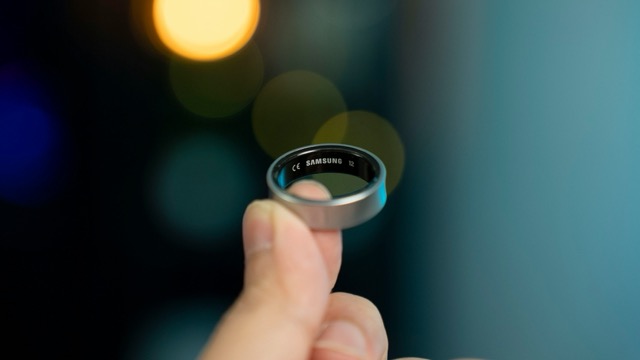
A smart ring is a wearable device designed to be worn on your finger, equipped with miniature sensors that collect biometric and behavioral data throughout the day and night. Despite its small size, it can track a wide range of metrics such as heart rate, sleep patterns, body temperature trends, activity levels, and recovery signals.
The ring continuously gathers data and syncs it with a mobile app, where the information is analyzed and presented in an easy-to-understand format. Instead of raw numbers, most platforms focus on trends, readiness scores, and personalized insights, helping users make better decisions about rest, movement, and overall well-being.
Because the finger has strong blood flow and stable skin contact, smart rings can often deliver more consistent readings than wrist-based devices — especially during sleep. This makes them particularly popular among people who value comfort, discretion, and long-term health tracking.
Why Choose a Smart Ring Instead of a Smartwatch
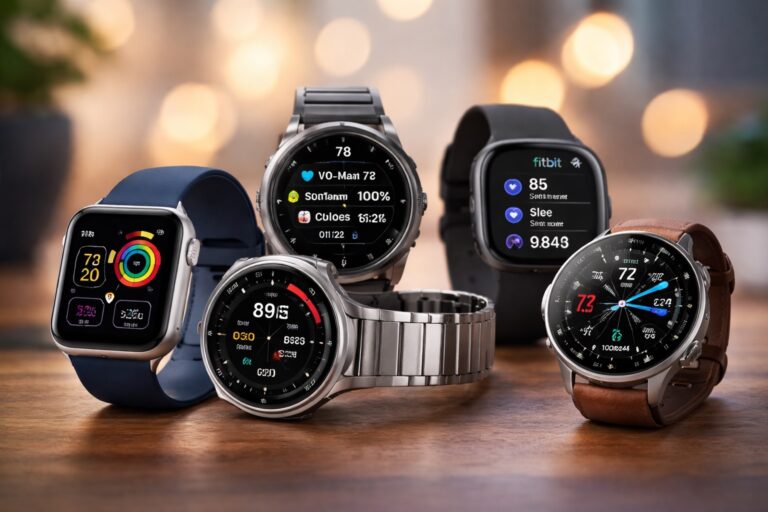
Smart rings appeal to users who want powerful tracking without constant notifications or bulky hardware. While smartwatches are excellent for real-time alerts and on-the-go interactions, they can feel intrusive or uncomfortable during sleep and daily activities.
A smart ring offers a more passive experience. You wear it, forget it’s there, and review your data later. This approach suits people focused on habits, recovery, sleep quality, and long-term trends rather than step-by-step tracking or app interactions.
Another advantage is aesthetics. Smart rings look like regular jewelry, blending seamlessly with both casual and formal outfits. For users who prefer subtle technology that doesn’t dominate their appearance, this form factor is a major plus.
Key Health Metrics to Look For
Not all smart rings track the same data, so it’s essential to understand which metrics matter most to you.
Sleep tracking is one of the strongest features of smart rings. Look for devices that analyze sleep stages, duration, efficiency, and consistency. More advanced models also assess sleep regularity and recovery quality.
Heart rate monitoring is another core feature. Beyond average heart rate, some rings track resting heart rate, heart rate variability (HRV), and nighttime trends — valuable indicators of stress and recovery.
Some smart rings monitor body temperature variations, which can help identify illness patterns, menstrual cycle trends, or recovery states. While they don’t measure exact temperature, the changes over time can be highly informative.
Activity tracking varies widely. Some rings focus on general movement and calorie estimation, while others include workout detection, daily readiness scores, and strain metrics. Choose based on how active you are and how detailed you want your insights to be.
Comfort, Fit, and Sizing Considerations
Comfort is non-negotiable. A smart ring should feel natural on your finger, not tight, heavy, or distracting. Since you’ll likely wear it while sleeping, poor fit can affect both comfort and data accuracy.
Most manufacturers offer sizing kits or detailed measurement guides. It’s important to follow these carefully rather than guessing based on standard ring sizes. Finger size can change slightly throughout the day due to temperature and hydration, so a proper fit ensures consistent sensor contact.
Material also matters. Lightweight metals and smooth interior finishes reduce friction and irritation. If you have sensitive skin, hypoallergenic materials are especially important.
Battery Life and Charging Habits
One of the biggest advantages of smart rings over smartwatches is battery life. Many smart rings last several days on a single charge, making them ideal for uninterrupted sleep and health tracking.
Still, battery life can vary depending on features and usage. Rings with continuous monitoring and advanced sensors may require more frequent charging. Look for devices that balance data depth with efficiency.
Charging methods also differ. Some use compact charging docks, while others rely on portable cases. Consider how easily charging fits into your routine — convenience plays a bigger role than it seems.
Data Accuracy and Insights Quality
Collecting data is only half the story. The real value of a smart ring lies in how that data is interpreted and presented.
High-quality platforms translate complex metrics into actionable insights, trends, and scores. Instead of overwhelming you with numbers, they help answer practical questions: Are you well-rested today? Should you push harder or recover? How is your stress affecting your sleep?
Look for rings that emphasize long-term patterns rather than daily fluctuations. Consistency, clarity, and personalization are key indicators of a mature and reliable system.
App Experience and Ecosystem
Since smart rings rely heavily on companion apps, the app experience is crucial. A clean interface, clear explanations, and intuitive navigation make daily check-ins enjoyable rather than confusing.
Some apps focus heavily on health education, explaining what each metric means and how to improve it. Others are more data-driven and minimal. Choose the style that matches how you prefer to engage with information.
Also consider compatibility with your smartphone and other health platforms you may already use. Seamless integration helps centralize your data and simplifies long-term tracking.
Design, Style, and Everyday Use
Smart rings come in various finishes, shapes, and thicknesses. While all aim to look discreet, some designs lean more toward a classic jewelry aesthetic, while others have a modern, tech-inspired look.
Think about when and where you’ll wear your ring. If you plan to wear it 24/7, including at work or social events, a subtle and timeless design is usually the safest choice.
Durability matters too. Scratch resistance, water resistance, and overall build quality determine how well the ring holds up to daily life, workouts, and travel.
Privacy and Data Security
Because smart rings collect sensitive health data, privacy should never be an afterthought. Review how your data is stored, encrypted, and shared.
Reliable platforms are transparent about data usage and give users control over what is shared and with whom. If privacy is a priority for you, choose a system that emphasizes user ownership and clear data policies.
Understanding these aspects upfront helps you feel confident and secure using the device long term.
Who Benefits Most from a Smart Ring
Smart rings are ideal for people focused on sleep optimization, recovery, and overall wellness rather than constant notifications. They’re especially popular among professionals, athletes, and individuals interested in building healthier routines without digital overload.
They’re also a great option for people who dislike wearing watches or want a discreet alternative that blends into daily life.
If your goal is awareness, consistency, and subtle guidance rather than real-time alerts, a smart ring may be the perfect fit.
Smart Ring Sensors Explained: What’s Inside the Technology
Smart rings rely on a sophisticated combination of miniature sensors that work together to deliver accurate insights. Understanding these components helps you evaluate why some rings are more precise or better suited to certain goals.
Most smart rings use photoplethysmography (PPG) sensors, which emit light into the skin to detect blood flow changes. This technology enables continuous heart rate tracking, heart rate variability analysis, and sleep monitoring.
Accelerometers and gyroscopes are responsible for detecting movement, activity intensity, and body position. These sensors allow the ring to distinguish between light movement, walking, running, and periods of rest.
Some models include temperature sensors that measure deviations from your personal baseline rather than absolute temperature. These variations are useful for identifying recovery states, stress responses, and physiological changes over time.
More advanced rings may also incorporate blood oxygen estimation and electrodermal activity indicators, although these features are still evolving in terms of consistency and interpretation.
Smart Rings and Sleep Science
Sleep tracking is one of the most compelling reasons people choose smart rings over other wearables. Unlike wrist devices, rings remain stable throughout the night, minimizing signal loss and discomfort.
Smart rings typically analyze sleep using multiple variables:
- Movement and stillness
- Heart rate patterns
- Heart rate variability
- Skin temperature deviations
By combining these signals, the system estimates sleep stages such as light sleep, deep sleep, and REM sleep. More importantly, it evaluates sleep quality, not just duration.
Many platforms emphasize sleep regularity, highlighting how consistent bedtimes and wake-up times affect recovery. This long-term view helps users understand how lifestyle choices — late meals, alcohol, stress, or travel — influence sleep performance over weeks rather than nights.
Readiness, Recovery, and Daily Scoring Systems
One of the most valuable features of modern smart rings is the use of daily readiness or recovery scores. These scores synthesize multiple data points into a single, easy-to-understand indicator.
Instead of asking users to interpret raw data, the ring answers practical questions like:
- Is today a good day to train hard?
- Should I focus on recovery instead of intensity?
- How did yesterday’s choices affect my body today?
Readiness scores often combine:
- Resting heart rate
- Heart rate variability
- Sleep quality and duration
- Recent activity load
- Temperature trends
This holistic approach is especially helpful for people managing stress, athletic training, or demanding work schedules.
Smart Rings vs Other Wearables: A Practical Comparison
Choosing a smart ring often involves comparing it to other wearable categories. The table below highlights key differences.
| Feature | Smart Ring | Smartwatch | Fitness Band |
|---|---|---|---|
| Comfort during sleep | Excellent | Moderate | Good |
| Battery life | Long (days) | Short (1–2 days) | Moderate |
| Discretion | Very high | Low | Medium |
| Notifications | None or minimal | Extensive | Limited |
| Health focus | Passive, long-term | Active, real-time | Activity-focused |
| Style versatility | Jewelry-like | Tech-focused | Sporty |
This comparison shows why smart rings appeal to users seeking insight without constant interaction.
Choosing a Smart Ring Based on Lifestyle
Different lifestyles benefit from different smart ring priorities. Identifying your main use case simplifies the decision.
For Sleep Optimization
Look for advanced sleep analytics, consistency tracking, and temperature trend monitoring. Battery life and comfort should be top priorities.
For Athletes and Active Users
Focus on accurate HRV, recovery metrics, readiness scores, and durable materials. Activity detection and strain measurement add extra value.
For Professionals and Busy Schedules
Discreet design, long battery life, and stress-related insights are essential. Passive tracking ensures you don’t need to engage constantly.
For Beginners in Health Tracking
Simplicity matters. Clear explanations, intuitive scores, and minimal configuration make adoption easier and more sustainable.
Material Choices and Durability Factors
Smart rings are designed for constant wear, so material selection directly impacts comfort, longevity, and appearance.
Common materials include:
- Lightweight alloys for everyday comfort
- Scratch-resistant coatings for durability
- Smooth inner linings to reduce irritation
Water resistance is also critical. A good smart ring should handle handwashing, showers, and light swimming without concern. If you live an active or outdoor-oriented lifestyle, durability becomes even more important.
Over time, exposure to friction, moisture, and impact tests the ring’s build quality, making construction standards a key evaluation factor.
Subscription Models and Long-Term Cost
Some smart rings require a subscription to unlock full insights, while others offer all features upfront. This distinction significantly affects long-term value.
Consider the following cost structure comparison:
| Cost Element | Subscription Model | No Subscription |
|---|---|---|
| Initial device price | Lower | Higher |
| Monthly fee | Yes | No |
| Advanced insights | Included | Included |
| Long-term cost | Higher over time | Predictable |
| Software updates | Continuous | Usually included |
Neither model is inherently better — the right choice depends on how long you plan to use the device and how you value ongoing feature development.
Data Interpretation: Trends Over Numbers
Smart rings are most effective when users focus on trends rather than isolated values. A single poor night of sleep or a low readiness score isn’t a problem — patterns are what matter.
By observing data over weeks and months, users can:
- Identify habits that improve recovery
- Understand how stress affects sleep
- Adjust training intensity intelligently
- Recognize early signs of burnout or illness
This long-term perspective transforms data into actionable self-awareness rather than anxiety-inducing metrics.
Travel, Jet Lag, and Smart Ring Insights
Frequent travelers often find smart rings particularly useful. Changes in sleep timing, temperature, and HRV can reveal how travel impacts the body.
By monitoring these shifts, users can:
- Adjust sleep schedules more effectively
- Recognize delayed recovery after long trips
- Understand how time zone changes affect performance
Because smart rings don’t rely on active input or notifications, they’re especially convenient during travel and irregular routines.
Smart Rings and Habit Formation
Beyond health tracking, smart rings support habit-building by increasing awareness. Simply knowing how behaviors influence recovery encourages more mindful choices.
Over time, users often report improvements in:
- Sleep consistency
- Stress management
- Physical activity balance
- Overall energy levels
The passive nature of smart rings makes them ideal tools for sustainable behavior change without cognitive overload.
Limitations to Be Aware Of
While smart rings are powerful, they are not medical devices and have limitations. They estimate metrics rather than diagnose conditions.
Activity tracking may be less detailed than specialized sports watches, especially for complex workouts. Rings also lack screens, which means all insights are reviewed post hoc rather than in real time.
Understanding these boundaries helps set realistic expectations and ensures satisfaction with the device.
The Future of Smart Ring Technology
Smart ring technology continues to evolve. Advances in sensor accuracy, battery efficiency, and AI-driven insights are expanding what these devices can do.
Future developments may include:
- More precise stress detection
- Enhanced temperature-based analytics
- Deeper integration with digital health platforms
- Improved personalization through machine learning
As these improvements emerge, smart rings are likely to become even more central to everyday wellness tracking.
Battery Optimization and Real-World Usage Patterns
While smart rings are known for their long battery life, how you use the device directly affects how long it lasts between charges. Continuous monitoring, frequent syncing, and advanced analytics can reduce battery duration compared to basic usage.
In real-world scenarios, most users develop a simple charging routine—such as placing the ring on its charger while showering or during short breaks. Because charging times are usually fast, even brief sessions can be enough to maintain consistent usage.
The key advantage is continuity. Unlike devices that require daily charging, smart rings allow uninterrupted tracking over several days, which is essential for collecting reliable sleep and recovery data.
Finger Placement and Data Accuracy
An often-overlooked factor is which finger you choose to wear your smart ring on. Different fingers can produce slightly different readings due to variations in blood flow, skin thickness, and daily usage patterns.
Most manufacturers recommend specific fingers—usually the index or middle finger—for optimal sensor contact. These positions tend to provide stronger and more stable signals, especially for heart rate and temperature tracking.
Wearing the ring consistently on the same finger also improves long-term data accuracy. Switching fingers frequently may introduce small inconsistencies in measurements, which can affect trend analysis over time.
Adapting to Wearing a Smart Ring
Although smart rings are designed for comfort, there is still an adjustment period. Users who are not used to wearing rings may initially notice the device during typing, gripping objects, or sleeping.
This adaptation phase is usually short. After a few days, most users stop noticing the ring entirely, which is one of its biggest advantages over bulkier wearables. The goal is for the device to become invisible in daily life while continuing to collect meaningful data.
Choosing the correct size and a smooth interior finish greatly reduces the adjustment time and improves the overall experience.
Smart Rings and Minimalist Technology
Smart rings represent a shift toward minimalist technology—devices that provide value without demanding constant attention. Unlike smartphones and smartwatches, they do not interrupt your day with alerts, vibrations, or screens.
This makes them particularly appealing to people trying to reduce digital noise. Instead of reacting to real-time data, users review insights at specific moments, such as in the morning or before workouts.
This approach encourages reflection rather than reaction, helping users build awareness without becoming dependent on constant feedback.
Integrating Smart Ring Data into Daily Decisions
The true value of a smart ring comes from how its data influences daily choices. Over time, patterns begin to emerge, allowing users to make more informed decisions about sleep, activity, and recovery.
For example:
A consistently low readiness score may signal the need for more rest
Irregular sleep patterns may highlight lifestyle disruptions
Changes in heart rate variability can indicate stress or fatigue
By connecting these insights to real-life behaviors, users can gradually improve their routines. The ring becomes less about tracking and more about guiding better habits.
Using Smart Rings Alongside Other Devices
Some users combine smart rings with other wearables to create a more complete tracking system. For instance, a smartwatch may be used during workouts for real-time metrics, while the smart ring handles sleep and recovery tracking.
This hybrid approach allows each device to play to its strengths. The smartwatch provides interaction and feedback during activity, while the ring focuses on passive, continuous monitoring.
However, not everyone needs multiple devices. For many users, a smart ring alone provides enough insight to support their health goals.
Environmental Factors and Sensor Performance
External conditions can influence how well a smart ring performs. Temperature changes, humidity, and even hand movement patterns can affect sensor readings.
Cold environments, for example, may reduce blood flow to the fingers, slightly impacting measurement consistency. Similarly, intense manual activities may temporarily shift the ring’s position, affecting data capture.
High-quality smart rings are designed to compensate for these variations, but understanding these factors helps users interpret their data more accurately.
Long-Term Engagement and User Motivation
One of the biggest challenges with any wearable is maintaining long-term engagement. Many users start enthusiastically but lose interest over time if the data feels repetitive or unclear.
Smart rings address this by focusing on trends and gradual improvement rather than daily perfection. Instead of overwhelming users with constant updates, they provide a steady stream of insights that evolve over time.
This encourages sustainable use. When users see how their habits influence their data over weeks and months, they are more likely to stay engaged and continue improving.
Smart Rings in Professional and High-Performance Contexts
Smart rings are increasingly used in professional environments where performance and recovery matter. Athletes, executives, and high-demand professionals use them to monitor stress levels, sleep quality, and readiness.
In these contexts, the ability to detect early signs of fatigue or imbalance can be extremely valuable. Rather than waiting for burnout or illness, users can make proactive adjustments based on subtle physiological signals.
This makes smart rings not just lifestyle devices, but tools for performance optimization.
Balancing Technology with Intuition
While smart rings provide valuable data, it’s important not to rely on them blindly. Numbers and scores are helpful, but they should complement—not replace—your own perception of how you feel.
For example, a readiness score may suggest rest, but your personal energy and schedule also matter. The best approach is to use smart ring insights as guidance, not strict rules.
Balancing data with intuition leads to more flexible and realistic decision-making, ensuring that technology supports your lifestyle rather than controlling it.
Final Thoughts on Expanding Your Smart Ring Experience
As you spend more time using a smart ring, your relationship with the device evolves. What starts as curiosity often becomes a deeper understanding of your body and habits.
The most successful users are those who engage with the data thoughtfully, look for patterns, and apply insights gradually. There is no need to optimize everything at once. Small adjustments over time lead to meaningful improvements.
Smart rings are not about instant transformation—they are about consistent awareness. When used with patience and intention, they become powerful tools for long-term well-being and balance.
Conclusion
Choosing a smart ring is less about chasing features and more about understanding your own habits, goals, and preferences. The best smart ring is the one that fits comfortably, provides meaningful insights, and integrates smoothly into your lifestyle without demanding attention.
By focusing on health metrics, comfort, battery life, data interpretation, and privacy, you can make a thoughtful decision that supports long-term well-being. A smart ring isn’t just a wearable — it’s a quiet companion that helps you understand your body better, day after day.
Frequently Asked Questions
1. Are smart rings accurate for health tracking?
Smart rings can be highly accurate, especially for sleep and heart-related metrics, due to consistent skin contact on the finger. Accuracy improves when data is analyzed over time rather than day by day.
2. Can I wear a smart ring while exercising?
Yes, most smart rings are designed for everyday movement and workouts. However, comfort and durability depend on the activity type and ring design.
3. Do smart rings replace smartwatches?
They don’t fully replace smartwatches. Smart rings focus on passive health tracking, while smartwatches are better for notifications and real-time interactions.
4. How long does it take to see useful insights?
Most smart rings provide basic insights within a few days, but more personalized and reliable patterns usually emerge after a few weeks of consistent use.
5. Is a smart ring worth it for beginners?
Yes. Smart rings are often easier to adopt than other wearables because they’re comfortable, discreet, and focused on simple, actionable insights rather than constant engagement.