
Choosing a TV for your living room might seem simple at first, but with so many models, technologies, and specifications available today, the decision can quickly become overwhelming. A television is no longer just a screen to watch shows; it’s the centerpiece of entertainment, design, and daily relaxation in many homes. Making the right choice means balancing performance, aesthetics, space, and budget.
A well-chosen TV enhances movie nights, gaming sessions, sports events, and even casual background viewing. On the other hand, the wrong choice can lead to eye strain, poor sound quality, or a setup that simply doesn’t fit your living room’s layout or lifestyle. Understanding what truly matters before buying can save time, money, and future frustration.
This guide was created to help you navigate every important factor with clarity and confidence. From screen size and resolution to smart features and room layout, you’ll find practical insights that make the decision process easier and more intuitive. By the end, you’ll have a clear vision of what works best for your living room and how to choose a TV that fits seamlessly into your everyday life.
Understanding Your Living Room Space
Before comparing brands or technologies, the most important step is to understand your living room itself. The size of the room, viewing distance, lighting conditions, and furniture layout all play a critical role in determining the ideal TV.
Start by measuring the distance between your seating area and where the TV will be placed. This measurement directly influences the recommended screen size. A TV that’s too large can feel overwhelming and uncomfortable, while one that’s too small may not deliver an immersive experience. Living rooms also vary widely in brightness. Rooms with large windows or strong natural light may require TVs with higher brightness and anti-reflective screens to maintain image clarity during the day.
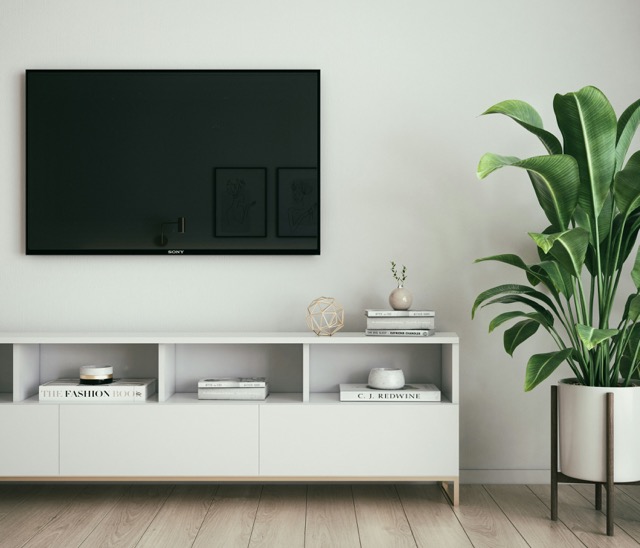
Furniture placement matters just as much. Consider whether the TV will be mounted on the wall or placed on a stand. Wall-mounted TVs save space and create a clean, modern look, while TV stands offer storage and flexibility. Always ensure the screen height aligns comfortably with eye level when seated to avoid neck strain.
Choosing the Right Screen Size
Screen size is often the first specification people look at, and for good reason. It has the most immediate impact on your viewing experience. However, bigger is not always better. The ideal size depends on viewing distance and personal preference.
As a general rule, the farther you sit from the screen, the larger the TV can be without becoming overwhelming. A balanced setup allows you to see details clearly without needing to move your eyes excessively. Modern high-resolution TVs allow for closer viewing distances than older models, making larger screens more practical in average-sized living rooms.
It’s also worth considering how the TV will be used. If your living room is primarily for movies and sports, a larger screen can enhance immersion. If it’s a multi-purpose space where the TV is often on in the background, a more moderate size may feel more comfortable and visually balanced.
Resolution: What Really Matters Today
Resolution refers to the number of pixels on the screen and directly affects image sharpness. While higher resolution sounds better on paper, the real-world difference depends on screen size, viewing distance, and content quality.
Full HD TVs are still functional for smaller screens, but they are becoming less common. 4K resolution has become the standard, offering excellent clarity and detail for most living room setups. It provides noticeable improvements in sharpness, especially on larger screens, without requiring extremely close viewing distances.
While 8K TVs exist, their benefits are limited for most users. There is very little native 8K content available, and the improvement is subtle unless the screen is extremely large. For most living rooms, 4K strikes the best balance between quality, availability, and value.
Display Technology Explained
TV display technology significantly influences picture quality, contrast, and overall viewing experience. Understanding the main types helps you make a more informed decision.
LED TVs are the most common and generally offer good brightness, color accuracy, and affordability. They work well in bright living rooms and are available in a wide range of sizes and prices. OLED TVs, on the other hand, are known for exceptional contrast, deep blacks, and vibrant colors. Each pixel emits its own light, resulting in stunning image quality, especially in darker rooms.
QLED TVs use advanced LED technology with enhanced color brightness and durability. They are a strong option for well-lit living rooms and users who prioritize vivid colors and long-term performance. Choosing between these technologies often comes down to room lighting, viewing habits, and budget rather than a single “best” option.
Refresh Rate and Motion Handling
If you watch sports, action movies, or play video games, refresh rate becomes an important consideration. Refresh rate refers to how many times per second the image updates on the screen.
A higher refresh rate results in smoother motion and reduced blur during fast-moving scenes. For most viewers, a standard refresh rate provides a pleasant experience for everyday content. However, if motion clarity is a priority, especially for gaming or live sports, a higher refresh rate can make a noticeable difference.
Motion enhancement features can also improve perceived smoothness, but they should be adjustable. Some people prefer natural motion, while others enjoy smoother visuals. The ability to customize these settings allows the TV to adapt to your personal taste.
Smart TV Features and Usability
Most modern TVs are smart TVs, meaning they can connect to the internet and run streaming apps. While this may seem standard, not all smart platforms are equally intuitive or reliable.
A good smart TV interface should be fast, easy to navigate, and regularly updated. Look for a system that supports the apps you actually use and allows for simple content discovery. Voice control, personalized recommendations, and quick access menus can greatly enhance daily usability.
It’s also important to consider longevity. TVs are long-term investments, so choosing a platform with consistent updates helps ensure compatibility with future apps and services. If the built-in system feels limiting, external streaming devices can always be added later.
Sound Quality: Often Overlooked but Essential
Picture quality usually gets most of the attention, but sound quality plays a major role in overall enjoyment. Many modern TVs are thin and sleek, which limits space for powerful speakers.
While built-in speakers may be sufficient for casual viewing, they often struggle with clarity and depth, especially in larger living rooms. If immersive audio matters to you, consider whether you’ll add a soundbar or external sound system.
Some TVs offer enhanced audio processing or support advanced audio formats, which can improve performance when paired with external speakers. Planning your audio setup alongside your TV choice leads to a more complete and satisfying entertainment experience.
Connectivity and Ports
Connectivity determines how easily your TV integrates with other devices. Check the number and type of ports available, especially if you plan to connect gaming consoles, streaming devices, or sound systems.
Modern TVs should offer multiple HDMI ports and support the latest standards for optimal performance. Wireless connectivity, such as Wi-Fi and Bluetooth, adds flexibility for streaming and connecting accessories without clutter.
It’s also wise to think ahead. Even if you don’t currently use many devices, having extra ports ensures your TV remains versatile as your setup evolves.
Design and Aesthetics
A living room TV is more than a functional device; it’s part of your home’s visual identity. Design, bezel thickness, stand style, and overall finish all contribute to how the TV blends into your space.
Minimalist designs with thin bezels tend to integrate seamlessly into modern interiors. Stand options vary in width and height, so make sure the TV fits your furniture comfortably. Wall mounting offers a sleek look but requires proper installation and cable management.
Choosing a TV that complements your décor helps it feel like a natural part of the room rather than a dominating object.
Energy Efficiency and Sustainability
Energy efficiency is an increasingly important consideration. TVs vary in power consumption depending on size, brightness, and technology.
More efficient models reduce electricity costs over time and are better for the environment. Many TVs include energy-saving modes that adjust brightness automatically based on ambient light, balancing performance and efficiency.
While energy efficiency may not be the deciding factor, it’s a valuable bonus that contributes to long-term satisfaction.
Balancing Budget and Value
Price is always a factor, but the cheapest option isn’t always the best value. Focus on features that genuinely improve your viewing experience rather than paying for specifications you won’t use.
Setting priorities helps narrow down choices. Decide what matters most, whether it’s picture quality, size, smart features, or design. A well-balanced TV that meets your actual needs often delivers more satisfaction than a premium model with unused features.
Remember that prices fluctuate, and waiting for the right moment can make higher-quality models more accessible.
Step-by-Step: How to Choose the Ideal Living Room TV
If you want a practical way to make the right choice without getting lost in technical terms, following a clear step-by-step process can make all the difference.
The first step is defining how the TV will be used. Some people mainly watch streaming series and movies, others prioritize sports, and many combine casual viewing with gaming. Usage directly influences screen size, refresh rate, and connectivity needs.
Next, define the maximum screen size your living room can comfortably accommodate. Measure the wall or TV stand width and confirm the viewing distance from the sofa. This avoids choosing a model that visually dominates the room or feels undersized.
After that, set a realistic budget range. Having a price ceiling prevents impulse decisions based solely on promotions and helps you focus on models that truly fit your needs.
Finally, compare models within that range by looking at panel technology, smart features, connectivity, and warranty. This structured approach simplifies the process and leads to more confident decisions.
Recommended TV Sizes by Viewing Distance
One of the most common doubts when choosing a TV is how screen size relates to seating distance. The table below offers a practical reference for living room setups.
| Viewing Distance | Recommended TV Size |
|---|---|
| 1.5 – 2 meters | 40” – 50” |
| 2 – 2.5 meters | 50” – 60” |
| 2.5 – 3 meters | 60” – 70” |
| 3 meters or more | 70” and above |
This guideline helps balance immersion and comfort. If your living room allows flexibility, choosing the larger option within the range usually provides a more cinematic experience without compromising usability.
TV Models by User Profile
Not all TVs are designed for the same type of user. Identifying your profile makes it easier to narrow down options without overpaying for features you won’t use.
For Movie and Series Lovers
These users benefit from TVs with strong contrast, accurate colors, and good HDR performance. OLED and high-quality QLED models tend to excel here, especially in controlled lighting environments.
For Sports Enthusiasts
Motion handling and brightness matter more than deep blacks. TVs with higher refresh rates and good motion interpolation provide smoother visuals during fast-paced action.
For Gamers
Low input lag, high refresh rates, and multiple HDMI ports are essential. Support for advanced gaming features ensures a responsive and immersive experience.
For Casual Viewers
If the TV is mostly used for news, background content, or occasional streaming, a reliable LED TV with a simple smart system offers excellent value without unnecessary complexity.
Comparison Table: TV Technologies at a Glance
Understanding the strengths and limitations of each display technology becomes much easier with a side-by-side comparison.
| Technology | Strengths | Best For |
|---|---|---|
| LED | Affordable, bright, widely available | Bright rooms, general use |
| QLED | Vibrant colors, high brightness | Daytime viewing, sports |
| OLED | Perfect blacks, excellent contrast | Movies, dark rooms |
| Mini-LED | Improved contrast, strong brightness | Premium balance |
This table highlights why there is no single “best” TV technology. The right choice depends on how and where the TV will be used.
Wall Mounting vs TV Stand: Which Is Better?
Deciding how the TV will be positioned affects both comfort and aesthetics. Wall mounting creates a clean, modern look and frees up floor space, making it ideal for minimalist living rooms.
However, wall mounting requires proper installation and planning for cable management. Incorrect height placement can cause neck discomfort over time.
TV stands offer flexibility and easier setup. They also provide storage for devices and décor, making them a practical choice for multi-functional living rooms. The key is ensuring the stand width supports the TV securely and keeps the screen at eye level.
HDR Explained in Simple Terms
High Dynamic Range (HDR) improves contrast and color depth, making images look more lifelike. While many TVs advertise HDR support, the actual experience varies widely.
For HDR to truly shine, the TV needs sufficient brightness and good contrast. Entry-level models may support HDR formats but lack the hardware to deliver noticeable improvements.
When HDR is properly implemented, highlights appear brighter, shadows retain detail, and colors feel more natural. This is especially noticeable in movies and high-quality streaming content.
Smart TV Systems: What to Look For
A smart TV should feel intuitive rather than frustrating. A responsive interface, quick app loading, and consistent updates are more important than having dozens of pre-installed apps.
Look for systems that allow easy customization of the home screen and fast access to your favorite content. Voice control can be useful, but it should complement navigation rather than replace it entirely.
It’s also worth checking whether the TV supports screen mirroring or casting, which makes sharing content from phones and laptops much easier.
Cable Management and Setup Tips
A well-chosen TV deserves a clean setup. Visible cables can quickly ruin the look of even the most stylish living room.
If wall mounting, consider using cable channels or in-wall solutions to keep wires hidden. For TV stands, organizing cables with clips or sleeves helps maintain a tidy appearance.
During setup, take time to adjust picture settings. Many TVs come with overly bright default modes designed for store displays. Switching to cinema or standard modes often improves comfort and accuracy immediately.
Energy Consumption and Long-Term Costs
While TVs don’t consume as much power as some household appliances, larger screens and higher brightness levels can increase energy use over time.
Choosing a model with adaptive brightness features helps reduce unnecessary consumption. These features adjust the screen based on ambient light, maintaining quality while improving efficiency.
Over several years of use, energy-efficient models can contribute to noticeable savings, making them a smart long-term investment.
Future-Proofing Your TV Purchase
Technology evolves quickly, but some choices help extend a TV’s relevance. Opting for newer connectivity standards and sufficient processing power ensures smoother performance over time.
Even if you don’t plan to use all features immediately, having room to grow keeps your setup flexible. This is especially important if your entertainment habits change or your living room layout evolves.
A future-proof TV doesn’t need to be the most expensive model available. It simply needs to balance current needs with reasonable adaptability.
Common Mistakes to Avoid When Buying a TV
One of the most frequent mistakes is focusing solely on screen size without considering viewing distance. Another is assuming all smart TVs offer the same experience, which can lead to frustration later.
Ignoring sound quality is also common. While picture quality is crucial, weak audio can diminish enjoyment significantly.
Finally, buying based purely on discounts without evaluating suitability often results in compromises that become noticeable over time.
How to Compare TVs in a Store or Online
When shopping in-store, remember that lighting conditions are very different from a living room. Try to look beyond brightness and focus on color accuracy and viewing angles.
Online comparisons are useful, but specifications alone don’t tell the whole story. Reading detailed descriptions and understanding how features translate into real-world use leads to better decisions.
Whenever possible, compare models within the same category and price range rather than across completely different tiers.
Conclusion Add-On: Bringing It All Together
Choosing a living room TV becomes much easier when you break the process into clear steps and focus on what truly matters for your lifestyle. Instead of chasing the newest technology, aligning features with real usage creates a setup that feels natural and satisfying.
A TV that fits your space, supports your habits, and integrates smoothly into your living room delivers value far beyond its specifications. Thoughtful planning transforms a purchase into a long-term upgrade to your everyday experience.
Conclusion
Choosing the perfect living room TV is about understanding your space, your habits, and your expectations. When you look beyond marketing terms and focus on how the TV will actually be used, the decision becomes clearer and more rewarding. A thoughtfully chosen TV enhances everyday moments, supports your lifestyle, and blends harmoniously with your living room.
By considering screen size, resolution, technology, sound, and design together, you create an entertainment setup that feels natural and enjoyable for years to come. The right TV isn’t just the most advanced one on the shelf; it’s the one that fits your home and how you live in it.
Frequently Asked Questions
1. How do I know if a TV is too big for my living room?
A TV feels too big when you need to move your eyes or head excessively to follow what’s on screen. Measuring viewing distance and matching it to recommended screen sizes helps avoid this issue.
2. Is 4K resolution worth it for everyday viewing?
Yes, especially for medium to large screens. Even when watching standard content, 4K TVs often upscale images effectively, resulting in better overall clarity.
3. Do I need a soundbar if my TV has built-in speakers?
Not necessarily, but a soundbar can significantly improve dialogue clarity and immersion, particularly in larger rooms or for movie-focused viewing.
4. Are smart TV features really important?
They’re convenient, but not essential. If the built-in system meets your needs, it adds value. Otherwise, external devices can easily handle streaming.
5. How long should a good living room TV last?
With proper care, a quality TV can last many years. Choosing a reliable brand and a well-supported smart platform helps ensure long-term satisfaction.